

The back to school season is very exciting. However, it also brings real stress to parents. You can help your kids focus every day. Just make a special study space at home. First, remove visual clutter from the study area. Also, clear away all the extra noise. Use comfortable furniture that fits your child well. Add predictable daily routines to build strong confidence. This helps kids learn to work on their own. Good desk setups keep young learners physically supported. This helps during long study hours at home. Meanwhile, consistent habits help kids manage their homework. This stops the need for constant nagging. Try these simple tips to change your space. You can transform your home learning area quickly. Good parenting advice starts with a supportive setup. Then, school success will come very naturally.
Key Takeaways
Choose a quiet study spot. Pick a place for your child's age. Make sure it fits their needs. It must help you watch them.
Set chairs and desks for good posture. This helps growing kids.
Remove visual mess. Set screen time rules. This helps students focus better.
Set up nightly habits. Create good bedtime routines. This helps kids succeed.
Choosing the Right Home Learning Location
Assessing Age and Supervision Needs
Check your child's daily needs. Young kids need help. Put desks near kitchens. This helps during dinner.
Older kids need privacy. They work all alone. Give them bedroom corners. Match locations with age. This builds focus fast.
Transforming Quiet Nooks into Study Spots
Turn empty spots into nooks. Loft beds save space. Floating desks use walls. Add shelves for books.
Under-stair closet: Take off doors. Add small desks.
Hallway landing: Use extra space. Make reading spots.
Bedroom corners: Place desks along walls. Add drawers.
Optimizing Lighting and Room Traffic
Good light aids focus. Put desks near windows. Sunlight stops eye strain. Smart setups boost mood.
Busy halls distract kids. Use simple folding screens. This builds kindergarten readiness. Quiet spots bring success.
Setting Up Ergonomic Study Furniture
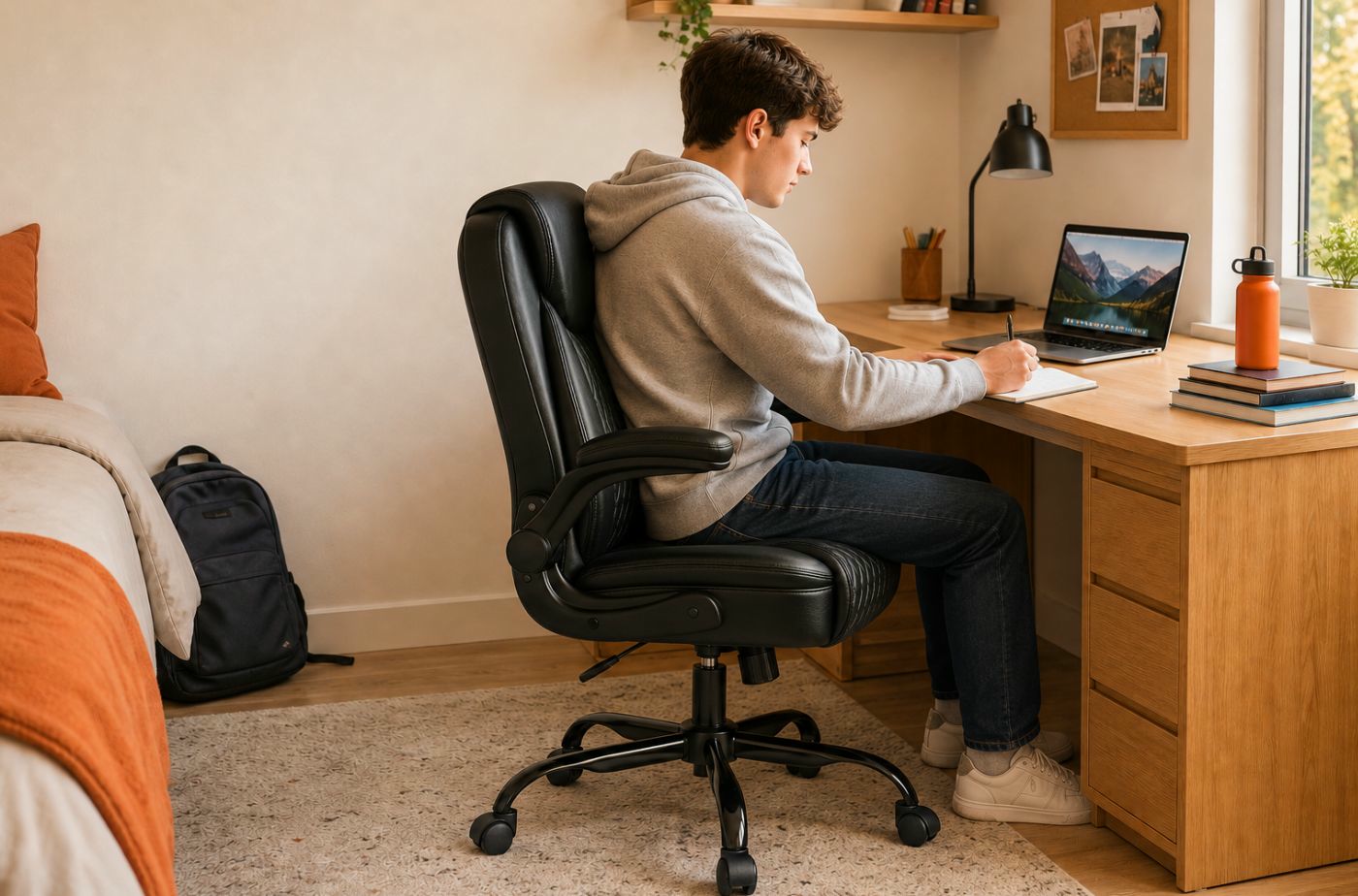
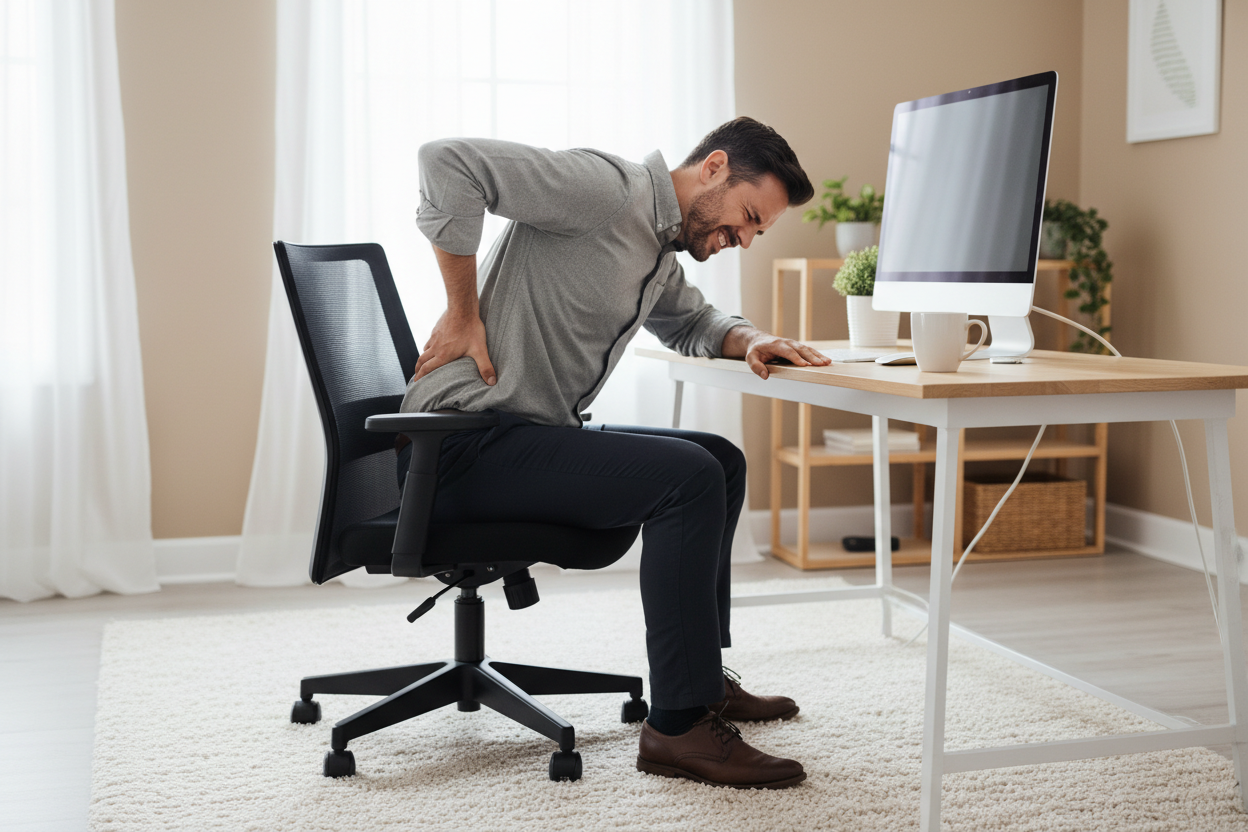
Good seating posture stops daily body tired feelings. Kids get healthy physical support with a Comhoma office chair. Pediatric occupational therapists recommend the 90-90-90 posture standard. This setup needs 90-degree bends at three spots. Hips, knees, and ankles must bend that way. Sitting right stops body strain very easily. Good sitting also boosts daily concentration.
Selecting a Comfortable Desk Chair
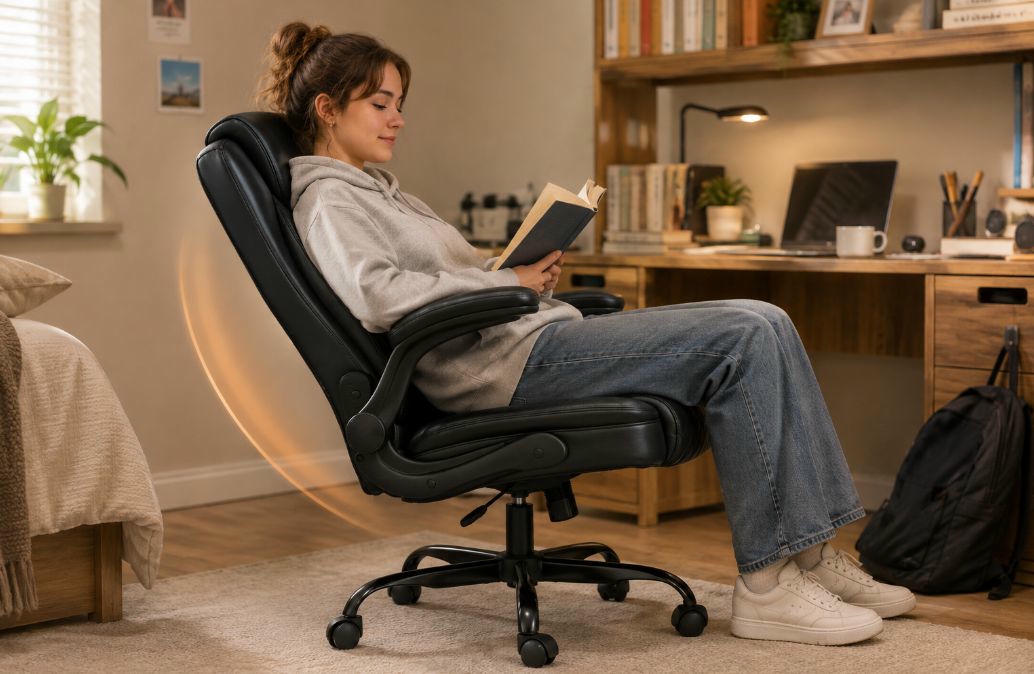
Pick a chair with proper adjustments today. Good adjustments protect circulatory health for kids. Align thigh and knee placement carefully during homework.
Ergonomic Feature |
Alignment & Health Function |
|---|---|
Seat Height Adjustment |
Feet rest flat on the floor. Thighs stay parallel to the ground. Knees stay at 90 degrees. |
Seat Depth Adjustment |
Keep small space behind the knees. This prevents pressure on back thighs. |
Waterfall Seat Edge |
Slopes down to relieve lower thigh stress. This helps improve total blood flow. |
Under-Desk Clearance |
Gives small space above the knees. This helps avoid bad leg compression. |
Footrests stop dangling legs for young kids. Supporting feet firmly keeps hip posture stable. This helps during long study hours at home. Test seat depth control easily with your fingers. Check for a small gap behind the knees.
Choosing a Functional Study Desk
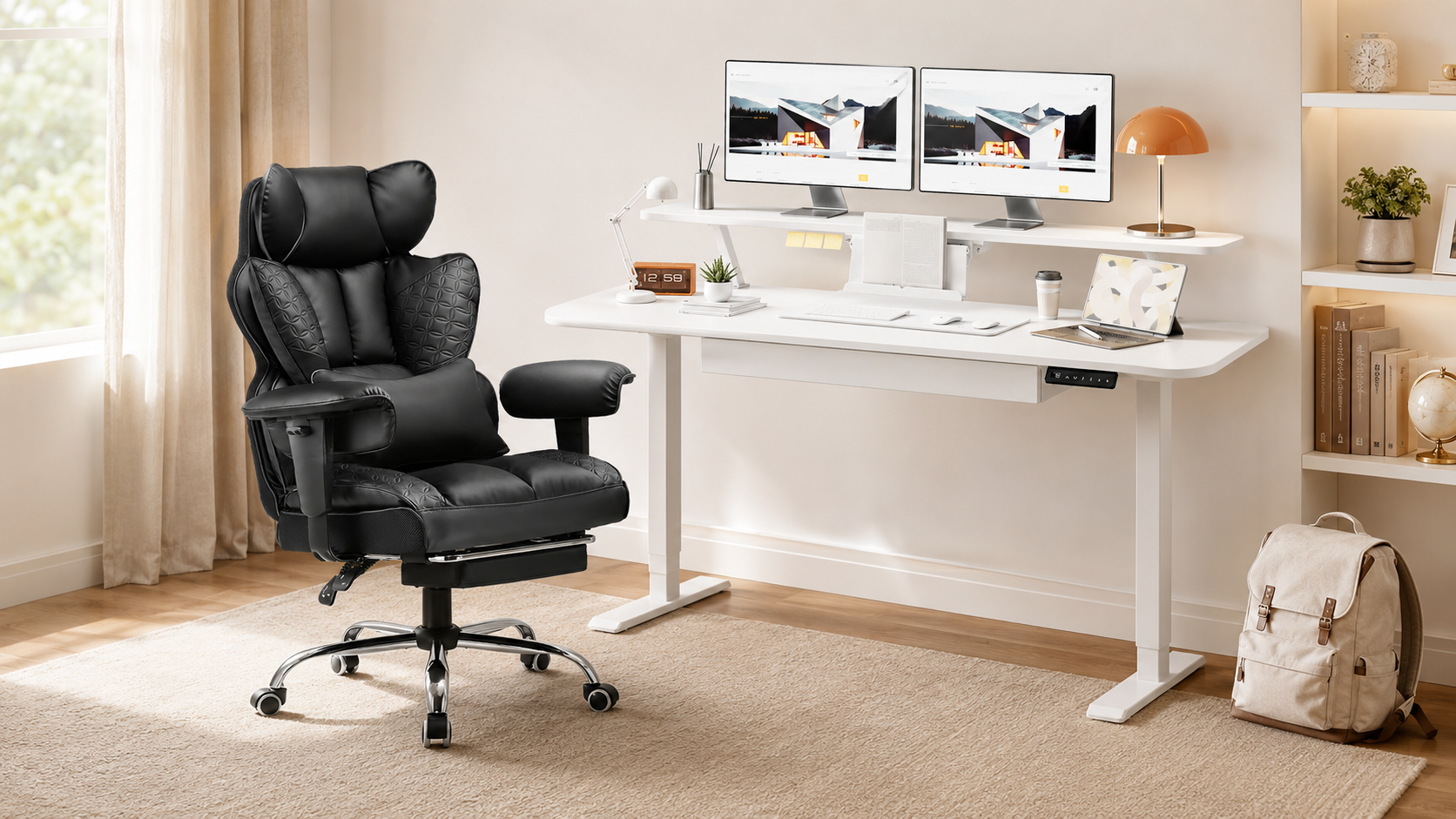
A good study desk holds all learning tools. A spacious Comhoma office desk provides ample clean surface areas. Kids get space for computers and handwriting together.
You need desktop room for your main laptop. Put it next to textbooks and notebooks. Ergonomic table height keeps shoulders fully relaxed. Proper spacing prevents hunching over paper books. It also stops straining weak neck muscles.
Clean Surface Space: Room for laptops, textbooks, and writing pads together.
Proper Desk Height: Keeps shoulders relaxed and feet flat on the floor.
Free Leg Movement: Allows smooth repositioning without bumping table legs.
Setting up clear functional zones keeps tools neat. Kids switch between typing and handwriting fast. Work areas will never feel crowded again.
Adjusting Ergonomics for Growing Kids
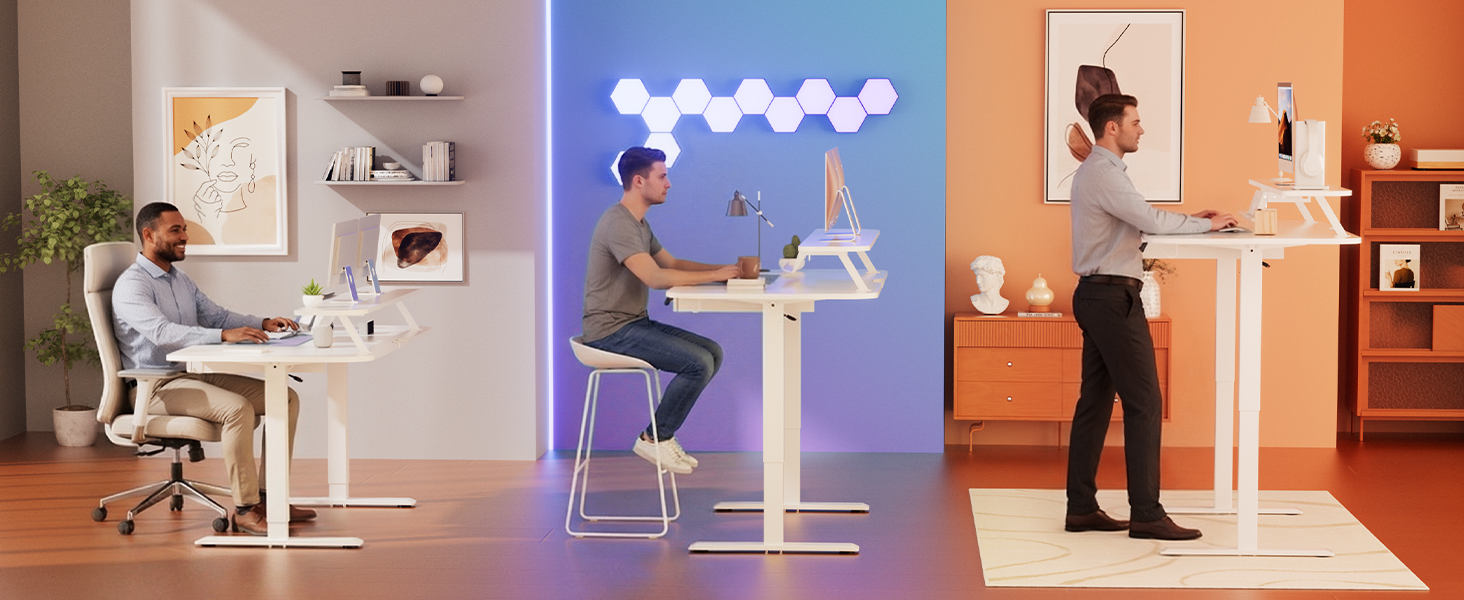
Children grow fast during every single year. Quality study furniture choices should comply with official standards like SIST EN 1729. This standard sets proper desk and chair sizes. These sizes align with student stature and popliteal height.
Kids in one grade vary in size. Pick furniture with adjustable parameters right now.
Select adjustable desks and chairs capable of spanning a minimum of two size mark categories to accommodate growth and physical diversity.
Desk Height Range: One-touch electric adjustment from 550 mm to 890 mm (29" to 48.6") accommodates growth from height 4'8" to 6'3".
Posture Transition: Sit-to-stand switchability enables seamless movement between sitting and standing positions without manual lifting.
Seating Adjustability: Multi-point adjustments support proper alignment, lumbar care, and correct seating positions across different age stages.
Dynamic growth alignment helps your child stay healthy. They keep an ergonomic posture for many years. Correct desk heights keep elbows at 90 degrees. Adaptable features make study setups last very long.
Essential Back-to-School Checklist for Parents
Preparing your home requires a solid strategy. A complete back-to-school checklist keeps your household organized before classes begin. Smart prep tips for parents simplify daily tasks and build student confidence.
Resetting Sleep and Daily Schedules
Start adjusting sleep schedules early to avoid morning stress. Children aged 6 to under 13 years need 9 to 12 hours of sleep every night for clear focus. You can reset routines before the school year starts by following these step-by-step changes:
Begin shifting bedtime routines about 3 weeks prior to opening day.
Move bedtimes and wake times by 15 to 20 minutes every few days.
Limit screen exposure during the hour before sleep.
Get early morning sunlight to balance internal body clocks.
Resetting your back to school schedule early makes waking up easy. Early bedtimes support health and boost kindergarten readiness for young learners entering kindergarten.
Back to School Supply Organization
Gathering school supplies early prevents last-minute chaos. You should complete your back to school shopping weeks in advance to secure required folders.
Labeling your items keeps your home tidy. Mark all back-to-school supplies like backpacks, jackets, and water bottles with clear names. Create a designated drop-off station near your entry door. Kids can organize their school supplies right after getting home. Proper storage keeps extra supplies organized in designated zones.
Planning Health, Wellness, and Safety
Your complete checklist should prioritize daily health. Plan nutritious options like healthy lunches to keep kids energized throughout classroom hours. Packing balanced lunches every morning stops morning rush stress during the school day.
Digital safety rules protect students on internet devices. Set daily screen limits and enforce device-free areas during study hours. Remind students never to share full names online. Following this final back-to-school checklist step guarantees safe learning habits. Useful parenting advice helps you master any school schedule easily. Predictable schedules create smooth daily schedules that lead directly to academic success.
Minimizing Physical and Digital Distractions
Streamlining Visual Clutter and Storage
Messy desks hurt study focus very fast. Extra desk items fight for attention. They use up short-term memory. They also raise stress levels. Clean spaces improve focus by 23%.
Cognitive Dimension |
Mechanism & Impact of Visual Clutter |
Specific Effect on Young Learners |
|---|---|---|
Cognitive Load & Processing |
Desk clutter uses brain power. It raises stress levels quickly. |
Kids have less brain space left. Learning new ideas becomes hard. |
Attention Span |
Messy spots break quiet focus. This lowers daily study speed. |
Young kids lose focus fast. Clean desks help them focus. |
Simple storage tools keep desks clean.
Storage Solution |
Space-Saving Benefit |
Recommended Materials |
|---|---|---|
Drawer Dividers |
They sort pens inside drawers. Small items stay neat. |
Expandable plastic or clear bamboo |
Dedicated Homework Trays |
Stacked trays separate homework papers. They save flat space. |
Stackable paper trays or plastic |
Wall-Mounted Boards |
Post schedules up high. This clears off desk tops. |
Soft cork or fabric board |
Setting Digital Boundaries and Screen Limits
Loud screens disrupt study time. Set firm habits for device use.
Relocate Devices to Public Areas: Move screens to family rooms. Keep bedrooms free for rest.
Separate Phones During Study Sessions: Put phones in another room. Check messages during breaks.
Enforce a Strict Cut-Off Bedtime: Turn off screens before bed. Late browsing causes unfinished work.
Clear limits stop daily screen fights.
Adding Task Lighting to Reduce Strain
Bright lamps protect young eyes. Dark study corners strain eyes. Put dimmable lamps over books. Good light helps kids read. Clean lights keep eyes feeling fresh.
Place lamps opposite the writing hand. This setup blocks hand shadows. Proper light angles stop screen glare. Kids read comfortably for hours.
Establishing Routines for Back to School
Implementing an Evening Desk Reset
Nightly habits turn chaotic studies into calm progress. Resetting desks helps prepare kids for smooth days. Ask children to clear surfaces every night. Put pencils away and file papers into folders. Resets refresh their minds for the next morning.
Clean spaces lower tired feelings and speed work. Organized stations give your child a fresh start. Kids start faster without messy tables around them. Small efforts build simple, predictable, daily routines.
Creating Visual Homework Timelines
Visual timelines show passing time to young minds. Combine physical clocks with discrete blocks of time. Divide long assignments into small visual goals. Breaking a two-week project down stops all fear.
Making Time Concrete: Pair visual timers with clear clocks together.
Structuring Projects: Split big multi-step projects into simple steps.
Visual tools teach kids how to plan work. Visual agendas lower off-task questions in class tests. They also raise completion rates in three weeks. Clear schedules help students do big tasks confidently.
Fostering Student Ownership and Habits
Building student independence needs new daily parenting ways. Use proven tricks to build self-regulation at home.
Strategy |
Actionable Implementation |
|---|---|
Controlled Choice |
Give guided task order or project options. |
Effort Reinforcement |
Praise problem-solving effort over final test grades. |
Socratic Questioning |
Ask "What do you think?" instead of answering. |
Smart back-to-school advice builds long-term study habits. Let students track checklists instead of micromanaging them. Offer advice, but let them find answers first. Kids gain confidence by controlling homework time. Matching study hours with energy builds true independence. Soon, kids manage school plans without any stress.
A good study space helps kids emotionally and academically. Kids feel calm and ready to learn. Comhoma desks and chairs offer great back support. They protect growing spines well. Adjustable armrests and seats stop neck strain. They also prevent leg tiredness during study time. These cool features build strong focus and health. They also make kids work on their own.
Get ready for back to school now! Work with your kids on their study space. Let children arrange their own desk items. They can place supplies, books, and lamps. Your active help prepares kids for school success.
FAQ
How can you help your child focus during study time?
Place the desk away from high-traffic areas. Keep visual clutter off the main desktop. Use dimmable task lighting to reduce eye strain. These quick updates build a quiet space and improve concentration.
What desk chair features best support a growing student?
Look for adjustable seat height and depth controls. A quality chair provides proper back support for long homework sessions. Ensure your child can rest their feet flat on the floor or on a footrest.
When should you start adjusting daily schedules before school starts?
Start shifting bedtime routines one to two weeks before school begins. Move sleep times early by 15 to 20 minutes every few days. This gradual change helps kids wake up easily without morning stress.
How do you keep study supplies organized on a small desk?
Use drawer dividers to hold pens and small items. Add wall-mounted boards to clear off flat surfaces. Stackable trays also keep active homework folders neat and easy to reach.

Share:
Back-to-School Furniture Guide 2026: Build a Better Study Space at Home