
Why Posture Matters
Health Risks of Poor Sitting
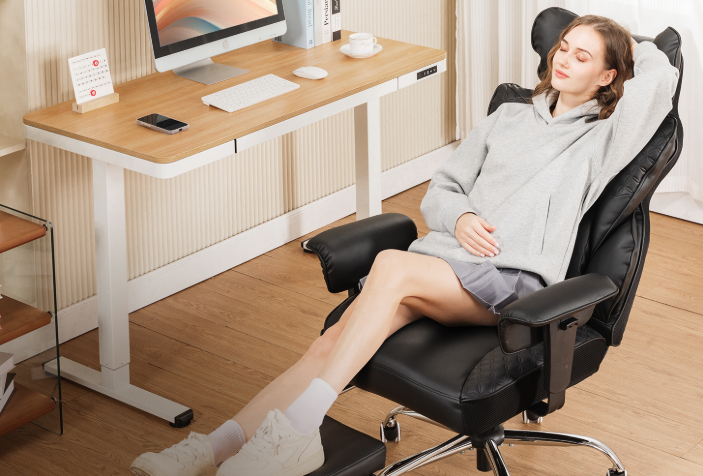
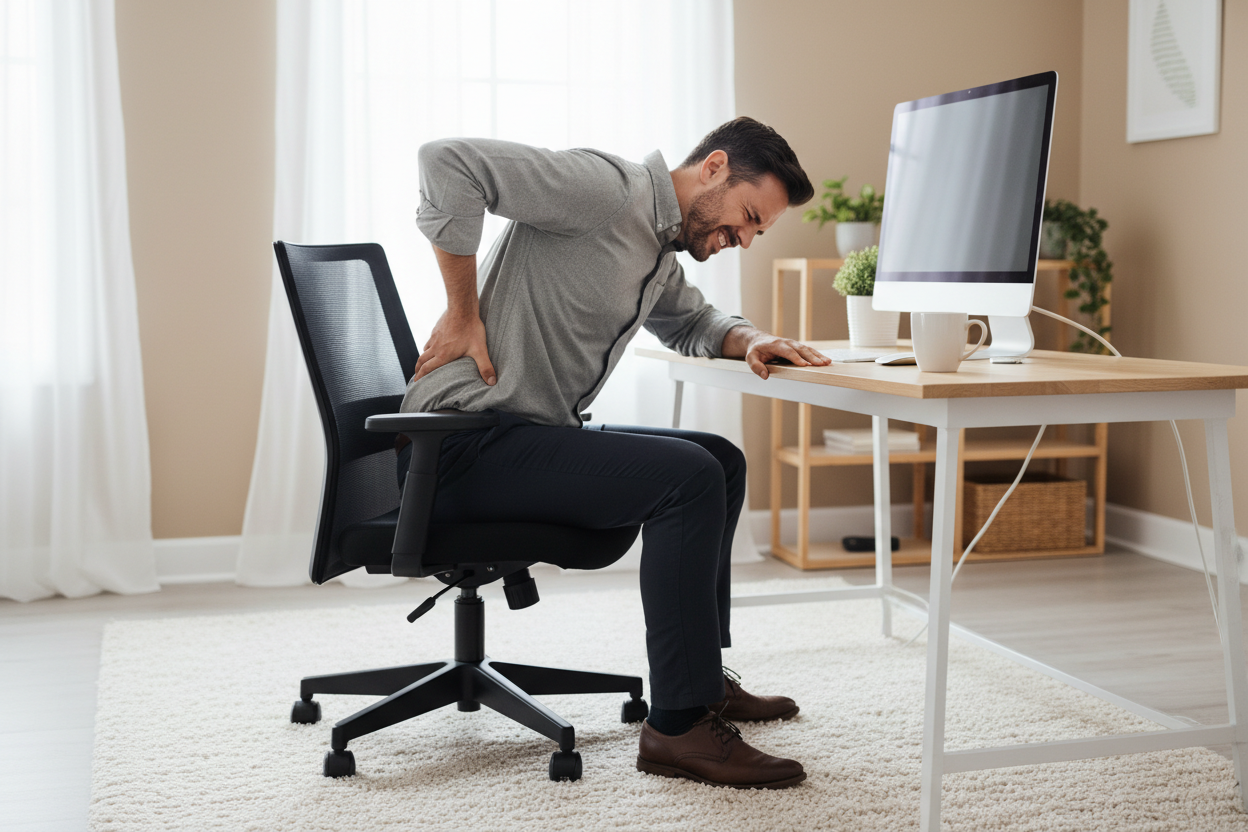
You might not notice it right away, but poor posture can sneak up on you and cause real trouble. If you spend hours at your desk, you’re not alone. Studies show that over 80% of office workers deal with muscle or joint pain at some point. The most common spots? Your neck, lower back, and shoulders. Many people even miss work because of this pain.
Here’s a quick look at what can happen when you don’t pay attention to how you sit:
|
Problem |
What Happens |
|---|---|
|
Low Back Pain |
You’re more than twice as likely to get it if you slouch. |
|
Spinal Pressure |
Hunching over puts extra stress on your spine and soft tissues. |
|
Herniated Discs |
Bad posture can cause discs in your back to rupture, leading to pain. |
|
Muscle Imbalance |
Some muscles get tight, others get weak, making movement harder. |
|
Joint Wear |
Uneven weight wears out your joints faster, raising arthritis risk. |
|
Poor Circulation |
Sitting wrong can slow your blood flow and make you feel tired. |
|
Higher Cancer Risk |
Sitting too much links to certain cancers, like colorectal and prostate. |
You might have seen Reddit comments on office chair choices, with people sharing stories about back pain and searching for solutions. These stories show how common these problems are.
Benefits of Good Posture
Good posture does more than just make you look confident. When you use Chairs for Better Posture and follow Office Chair Proper Sitting Posture tips, you help your body in many ways:
-
You keep your spine healthy and strong.
-
You feel less tired because your muscles work better.
-
You move more easily and stay flexible.
-
You lower your chances of getting hurt or feeling pain.
-
You breathe and digest food more easily.
-
You even boost your balance and athletic skills.
Tip: Small changes, like adjusting your chair or taking movement breaks, can make a big difference in how you feel every day.
Taking care of your posture now helps you avoid bigger problems later. It’s a simple step that supports your health for years to come.
Read more: 10 Best Desk Chairs for Back Pain and Spinal Support Tips
Key Takeaways
-
Good posture is very important for your health. It helps stop pain and problems like herniated discs and bad blood flow.
-
Pick chairs that have adjustable lumbar support. This part helps keep your spine’s natural shape and lowers back pain.
-
Find chairs with armrests you can move. These let you rest your arms in a good way and help your shoulders and neck feel better.
-
Choose chairs made from materials like mesh. These let air pass through and keep you cool when you sit for a long time.
-
Change your chair settings often. Even small changes can make you feel much better and help your posture all day.
Key Metrics of Better Posture & Healthy Sitting
Lumbar and Spine Support
When you sit for long hours, your lower back needs extra care. That’s where lumbar and spine support come in. Good chairs help your spine keep its natural curve. This support can make a big difference in how you feel at the end of the day.
In studies, experts use things like joint angle measurements and comfort surveys to see how well a chair supports your body. They look at how your back lines up and how comfortable you feel after sitting for a while.
You want a chair that lets you adjust the lumbar support. This means you can move it up, down, or even forward and back to fit your back just right. Chairs with a contoured seat and a backrest that matches your spine’s shape help you stay comfortable and avoid pain.
|
Recommendation Type |
Details |
|---|---|
|
Lets you move support up/down and forward/back for your unique spine. |
|
|
Seat & Backrest Design |
Contoured and segmented for comfort and stability. |
|
Armrest & Headrest Adjustability |
Reduces upper body strain and keeps posture in check. |
|
Matches the natural curve of your back. |
|
|
Dynamic Support |
Allows movement to keep your spine happy. |
|
Material & Durability |
Uses strong frames and high-density foam for lasting support. |
Orthopedic studies show that people who use lumbar support often feel less back pain and have better spinal alignment. You might not notice it right away, but over time, this support helps you stay healthier and more comfortable.
Adjustable Seat and Armrests
You are not the same as everyone else, so your chair shouldn’t be one-size-fits-all. Adjustable features let you set up your chair for your body. This is a big part of ergonomics, which is all about making things fit people, not the other way around.
-
Adjustable seat height lets your feet rest flat on the floor. This keeps your legs and back in a healthy position.
-
Armrests that move up, down, forward, back, and even pivot help your arms relax. You can keep your elbows at a natural angle, which takes pressure off your shoulders and neck.
-
A backrest that tilts and lumbar support that moves with you help your spine stay in its natural curve.
Here’s what experts and users say matters most:
-
Adjustable seat height for the right leg position.
-
Lumbar support that fits your back.
-
Armrests you can move to match your arms.
-
Breathable material for comfort.
-
Swivel base for easy movement.
When you can adjust your chair, you get to control your comfort. You can change things up during the day, which is a key part of good ergonomics. People on forums like Reddit often talk about how much better they feel when they can tweak their chair to fit their body.
Material and Breathability
The material of your chair matters more than you might think. If you sit for hours, you want something that keeps you cool and comfortable. Breathable mesh is a favorite because it lets air flow through, so you don’t get sweaty or sticky. Mesh also gives you support without feeling stiff.
|
Material Type |
Heat Retention |
Comfort Level |
|---|---|---|
|
Mesh |
Low |
High |
|
Fabric |
High |
Moderate |
|
Leather |
High |
High |
Performance fabric is another good choice. It’s strong, easy to clean, and stands up to daily use. Leather looks great and lasts a long time, but it can get hot and needs gentle cleaning. Microfiber is soft and family-friendly, but mesh still wins for breathability.
Experts say that the right material can make a big difference in how you feel after a long day. Mesh chairs combine airflow with support, making them a top pick for anyone who wants comfort and durability.
When you think about ergonomics, don’t forget about what your chair is made of. The right material helps you stay cool, comfortable, and focused, even on your busiest days.
The Ultimate Buying Checklist
When you shop for a chair that supports better posture, you want to make sure it checks all the right boxes. Let’s break down what you need to look for so you can pick the best seat for your body and your workspace.
The Fitting Rule: Specialized needs for Big & Tall users (wide seats, reinforced frames, higher weight capacity).
Not every chair fits every body. If you’re a big or tall user, you need a chair that gives you extra space, strength, and support. You don’t want to squeeze into a seat that’s too small or worry about the chair holding up over time.
Here’s a quick guide to help you find the right fit:
|
User Type |
Weight Capacity |
|
|---|---|---|
|
Tall Users |
Backrest Height: 26+ inches, Seat Depth: 20-22 in |
Up to 300 lbs |
|
Big Users |
Seat Width: 20-24 inches, Reinforced Construction |
Up to 550 lbs |
|
Big and Tall Users |
Proportional Scaling, Heavy Duty Components |
300+ lbs, 6'5"+ |
You want a task chair with a wide seat and a strong frame. Look for reinforced steel frames and a sturdy five-star base. These features keep you safe and comfortable, even if you move around a lot. Higher-capacity pneumatic lifts also help the chair stay at the right height without sinking.
Tip: Always check the weight rating before you buy. A chair built for your size lasts longer and feels better every day.
Must-Have Adjustments: 3D/4D Armrests (Height, depth, and angle).
You spend hours at your desk, so your arms and shoulders need support. Adjustable armrests make a huge difference in how you feel at the end of the day. A good task chair lets you move the armrests up, down, forward, back, and even side to side.
Let’s compare 3D and 4D armrests:
|
Criterion |
4D Armrest |
|
|---|---|---|
|
Complexity |
Moderate (Highly Reliable) |
High (Advanced Engineering) |
|
User Suitability |
Standard and Mid-size users |
Extreme body types (Very wide/narrow) |
|
Maintenance |
Lower, fewer slide tracks |
Needs more care for precision tracks |
Why do these adjustments matter? Here’s what happens when you use adjustable armrests:
-
You reduce muscle strain in your neck, shoulders, and arms.
-
You keep your spine and shoulders in a healthy position.
-
You lower your risk of wrist pain and Carpal Tunnel Syndrome.
-
You feel more comfortable and can work longer without getting tired.
-
You protect yourself from long-term muscle and joint problems.
A task chair with 3D or 4D armrests helps you find the perfect spot for your arms. You can relax your shoulders and keep your wrists straight. This support keeps you focused and pain-free, even during long work sessions.
Note: If you share your chair with others, more adjustments mean everyone can find their best fit.
Material Science: Breathable mesh vs. high-density molded foam.
The material in your chair does more than just look good. It affects how you feel after hours of sitting. You want a task chair that keeps you cool, supports your body, and stands up to daily use.
Here’s a side-by-side look at the two most popular materials:
|
Feature |
High-Density Molded Foam |
|
|---|---|---|
|
Breathability |
Air flows through, keeps you cool |
Less air flow, can get warm |
|
Support |
Flexible, adapts to your shape |
Firm, relieves pressure points |
|
Longevity & Maintenance |
Durable, easy to clean |
Keeps shape, but may compress over time |
|
Comfort |
Light, ‘floating’ feel, good for posture |
Plush, absorbs pressure, cozy for long hours |
|
Weight |
Lighter, easy to move |
Heavier, more stable |
You might like mesh if you get hot easily or want a lighter chair. Mesh lets air move around your back and legs, so you stay cool. High-density molded foam gives you a soft, cushy seat that supports your hips and thighs. It’s great if you want a plush feel and don’t mind a little extra warmth.
Some task chair models combine both materials. You get a mesh back for airflow and a foam seat for comfort. This mix works well for long days at your desk.
Callout: Material science shapes how ergonomic office chairs support your body. Features like adjustable seat height, lumbar support, and contoured backrests all work together to keep you comfortable and healthy.
Quick Reference Table: What to Check Before You Buy
|
Feature |
Description |
|---|---|
|
Lumbar Support |
Reduces lower back strain and discomfort |
|
Adjustable Seat Height |
Lets you set the chair for your best posture |
|
Material Durability |
Ensures long-term comfort and stability |
|
Weight Capacity |
Supports safety and comfort for all users |
|
Mobility and Swivel |
Makes movement and access to your workspace easy |
|
ANSI/BIFMA Certification |
Confirms safety, durability, and ergonomic design |
|
Armrest Adjustability |
Supports arms, reduces strain, and fits different body types |
When you pick a task chair, check for these features. You want a chair that fits your body, supports your posture, and lasts for years. The right chair helps you feel better, work better, and stay healthy.
Types of Chairs for Better Posture
Finding the right chair is about matching your body type to the right engineering at the right price point. Whether you need elite luxury or heavy-duty support, these top-tier models represent the best investments for your spine.
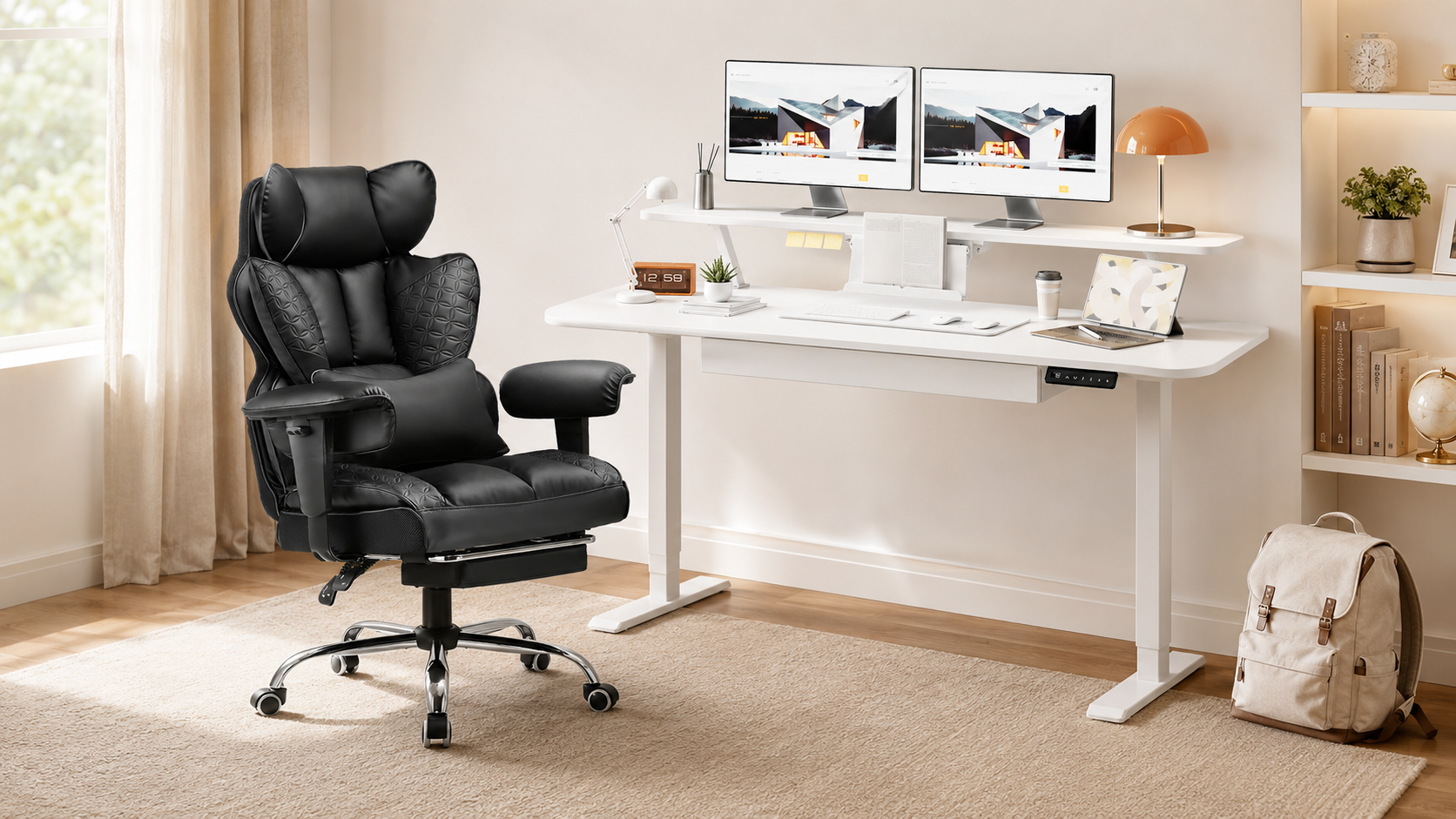
1. The Heavy-Duty Champion: COMHOMA CH510 (Best Value & Support)
Price Range: $180 – $240
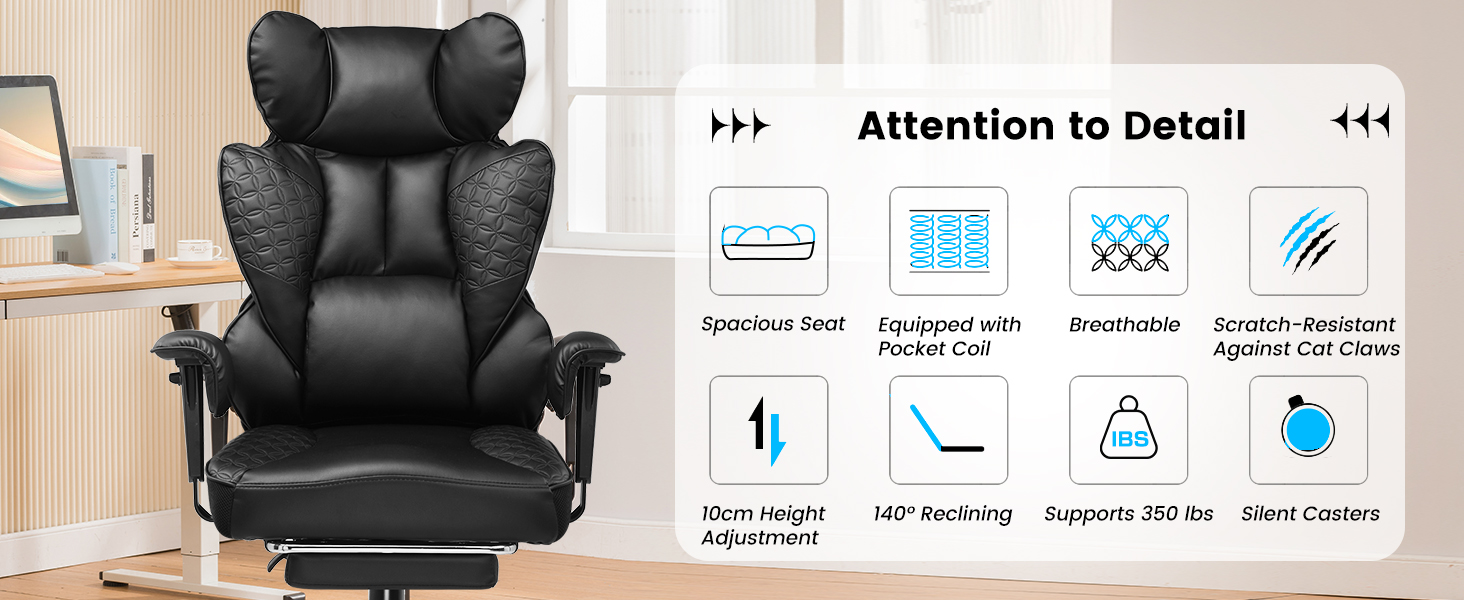
The COMHOMA CH510 is the premier choice for those who need professional-grade "Big and Tall" support without the thousand-dollar price tag. It features a reinforced steel base and a high-density molded foam seat cushion that won't sag over time.
-
Key Posture Feature: An integrated, adjustable lumbar system that mimics the natural S-curve of the spine.
-
Why it wins: It offers a widened seat and a 330+ lbs weight capacity, providing the structural integrity of high-end luxury chairs at a fraction of the cost.
2. The Task Master: Steelcase Leap V2
Price Range: $1,100 – $1,300
A gold standard in the industry, the Steelcase Leap is famous for its "LiveBack" technology. It is a premium investment for users who shift positions frequently throughout the day.
-
Key Posture Feature: Highly responsive lumbar tension and 4D armrests that protect your shoulders from strain.
3. The Modern Professional: Sihoo Doro C300
Price Range: $350 – $450
This chair is known for its "gravity-defying" lumbar support. It uses a flexible, triangular frame that automatically adjusts its tension based on your body weight.
-
Key Posture Feature: Self-adjusting lumbar support that provides constant pressure to the lower back without manual tweaking.
4. The Value Hybrid: FlexiSpot C7
Price Range: $330 – $400
The FlexiSpot C7 offers a great balance between features and affordability. It features a breathable mesh back that keeps you cool while providing firm resistance against the spine.
-
Key Posture Feature: A height-adjustable backrest that ensures the lumbar support hits exactly the right spot for your height.
Comparison: Why Ergonomic Engineering Matters
|
Model |
Market Category |
Weight Capacity |
Estimated Price |
|
COMHOMA CH510 |
Big & Tall Specialist |
330+ lbs |
$180 - $240 |
|
FlexiSpot C7 |
Mid-Range Task Chair |
300 lbs |
$330 - $400 |
|
Sihoo Doro C300 |
Tech-Focused Mesh |
300 lbs |
$350 - $450 |
|
Steelcase Leap |
Premium Executive |
400 lbs |
$1,100 - $1,300 |
The Verdict on Value
As shown above, the COMHOMA CH510 provides a unique market advantage: it delivers the Heavy-Duty (Big & Tall) specifications typically found in $400+ chairs for a highly competitive price under $250. This makes it the ideal "Good Choice For Better Posture" for budget-conscious professionals who refuse to compromise on spinal support or durability.
If you want a chair you can trust, try the COMHOMA CH510 for comfort and support that lasts. Your health is important, so set up your workspace to help you feel your best!
FAQ
What makes a chair good for office posture?
You want a chair with great support, adjustability, and comfort. Look for adjustments like seat depth, adjustable armrests, and lumbar support. These features help you sit better in your office. You can work longer and feel less tired with the right adjustments.
How do I set the seat depth for best support?
You should adjust the seat depth so your back touches the backrest and your knees bend at 90 degrees. This adjustment gives you support and comfort. You will notice less pressure on your legs and more support for your lower back in your office chair.
Why are adjustable armrests important in an office chair?
Adjustable armrests let you make adjustments for your arms and shoulders. You can move them up, down, or sideways. This adjustability gives you support and comfort. You will feel less strain in your office and keep your posture strong.
How often should I make adjustments to my office chair?
You should make adjustments every time you change tasks or feel uncomfortable. Try changing the seat depth, backrest, or armrests. These adjustments help you stay comfortable and keep your support strong all day in your office.
Can a chair with more adjustability improve comfort and support?
Yes! More adjustability means you can make more adjustments for your body. You get better support and comfort. You can change the seat depth, backrest, and armrests. This helps you feel good and work better in your office.
See COMHOMA’s executive office chair collection now!

Share:
How to Choose the Right Tool Shed for Your Needs
What is the Standard Office Chair Dimensions?