
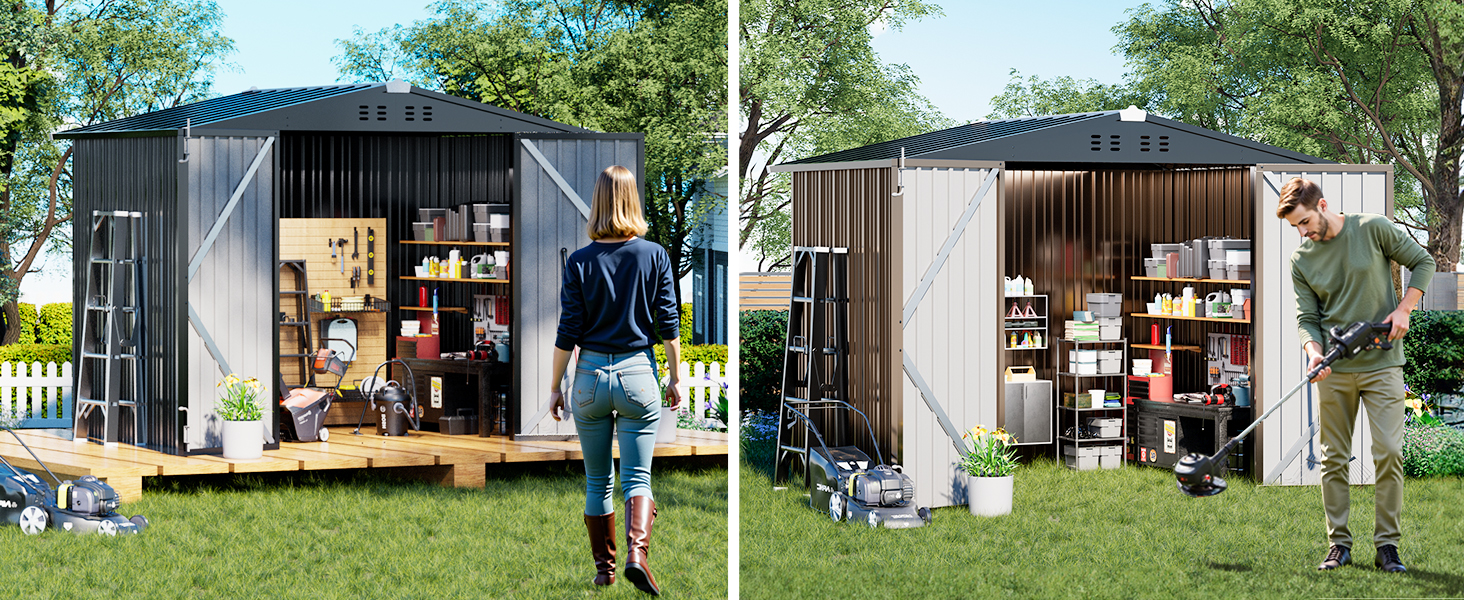
Choosing the right tool shed starts with your storage needs, backyard space, material, size, features, budget, and climate. Think about what you want to store and how you plan to use your shed. A smart choice reduces clutter and adds value to your property.
-
A well-built shed can boost property value by 1-2%.
-
Stylish sheds make your yard more inviting and increase curb appeal.
-
Functional sheds, like the COMHOMA TOOL SHED, offer durable storage and smart organization.
Got questions? Tool shed faqs help you find answers fast.
Key Takeaways
-
Think about what you need to store before you buy a shed. Write down everything you want to put inside. This helps you pick the right size.
-
Pick a spot for your shed that is easy to get to. Make sure it follows local rules. Measure the area to see if the shed will fit.
-
Choose the shed material that works best for your weather. Wood, metal, and vinyl are all different. Each one lasts a different amount of time and needs different care.
-
Think about what you might need to store later. Get a shed that is a little bigger. This way, you have room for new things or hobbies.
-
Look for ways to organize your shed, like shelves and pegboards. These help keep your shed neat and useful. Being organized saves you time and space.
Step 1: Assess Your Storage Needs – What Will You Store?
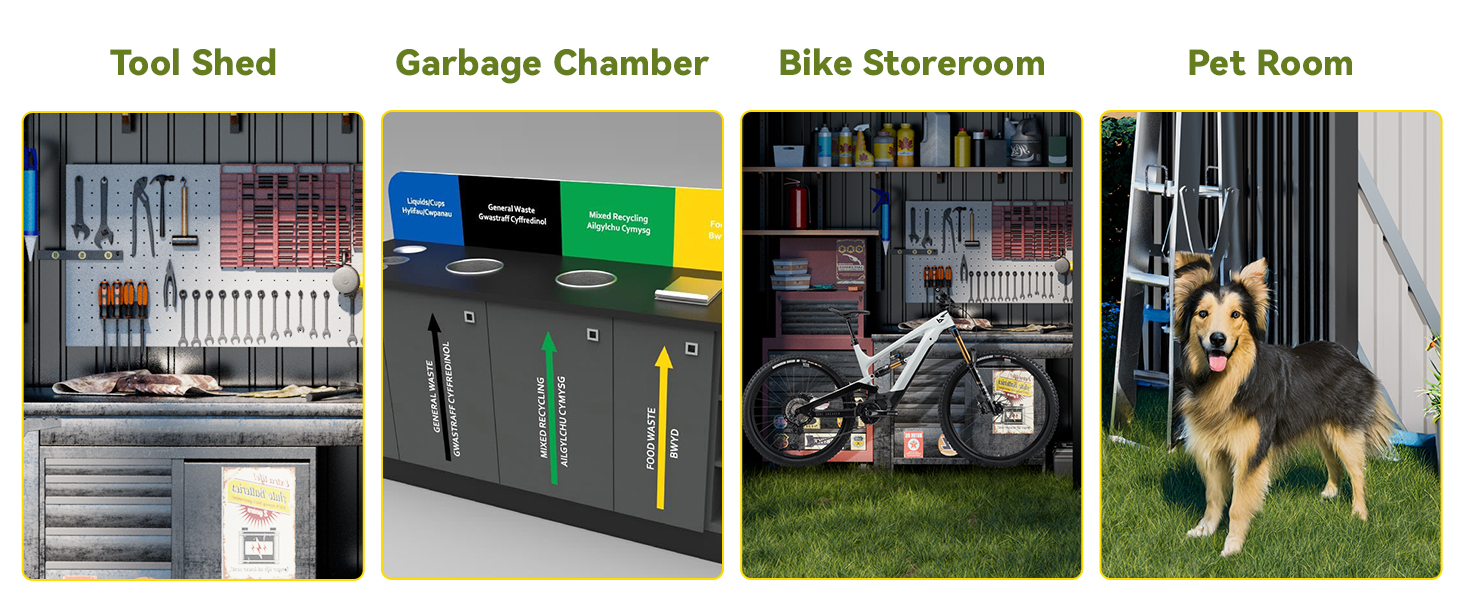
Before you start choosing the right shed, you need to know what you want to store. This step helps you avoid buying a shed that is too small or too big. It also makes sure your shed fits your lifestyle and keeps your backyard organized.
Assess Storage Requirements
Take a look around your home and yard. What items do you want to move into your new shed? Some people need space for garden tools, while others want to store bikes, sports gear, or even holiday decorations. Make a list of everything you plan to store. This list will help you figure out the best shed size for your needs.
Tip: Group your items by type and size. This makes it easier to see how much space you need.
Here are some common things people store in their sheds:
-
Lawn mowers and gardening tools
-
Bicycles and outdoor toys
-
Seasonal decorations
-
Power tools and hardware
-
Paints and chemicals (make sure your shed is safe for these)
If you want to keep your items safe from weather and theft, look for sheds with strong materials and secure locks. The COMHOMA TOOL SHED, for example, offers sturdy steel construction and a lockable door, so your tools stay protected year-round.
Define Intended Uses
Think about how you want to use your shed. Sheds are not just for storage. Many people turn them into workshops, hobby rooms, or even small offices. Your intended uses will shape the shed’s layout and features.
Here’s a table showing some of the most popular ways people use their sheds:
|
Use Case |
Description |
|---|---|
|
Storage for Seasonal Items |
Keep equipment and decorations organized and protected from the elements. |
|
Workshop |
Create a space for DIY projects, woodworking, or crafting. |
|
Garden Shed |
Organize gardening tools and supplies for easy access. |
|
Home Office |
Set up a quiet workspace away from household distractions. |
|
Art/Music Studio |
Enjoy a private area for creativity and focus. |
|
She Shed/Man Cave |
Build a personal retreat for hobbies and relaxation. |
|
Playhouse for Children |
Give kids a safe play area and keep toys out of the house. |
|
Vehicle Storage |
Store bikes or recreational vehicles safely. |
|
Home Gym |
Make a fitness space at home. |
|
Tiny Home/Guest House |
Add extra living space for guests or family. |
When you know your intended uses, you can pick features that match your goals. For example, if you want a workshop, you might need shelves, a workbench, and good lighting. If you want a garden shed, you’ll want easy access and space for tall tools.
Plan for Future Needs
Don’t just think about what you need today. Your storage needs can change over time. Maybe you’ll get new tools, start a new hobby, or need more space for your growing family. Planning ahead saves you from outgrowing your shed too soon.
Many people make the mistake of picking a shed that only fits their current items. Later, they wish they had chosen a bigger size. That’s why it helps to look at popular tool shed sizes before you buy. Here are some examples:
-
6x4 feet: Good for basic garden tools and a few small items.
-
8x6 feet: Fits a lawn mower, bikes, and some shelves.
-
10x8 feet: Great for workshops or storing larger equipment.
-
12x10 feet: Offers space for multiple uses, like storage and a hobby area.
-
15x10 feet or larger: Works for home gyms, studios, or even a guest room.
Popular tool shed sizes give you flexibility. If you choose a size that’s a bit bigger than you need now, you’ll have room to grow. The COMHOMA TOOL SHED comes in several popular tool shed sizes, so you can find one that fits your yard and your plans.
Note: Measure your available space before you decide. Make sure you leave room to walk around the shed and open the doors easily.
Choosing the right shed starts with knowing what you want to store, how you plan to use it, and what you might need in the future. This step sets you up for success and helps you avoid common mistakes.
Step 2: Choose the Location – Space, Access, and Local Rules
Evaluate Backyard Space
You want your tool shed to fit comfortably in your yard. Start by measuring the area where you plan to place the shed. Make sure you leave enough room to walk around it and open the doors. Most municipalities require sheds to be set back at least 3 to 10 feet from property lines. Some areas ask for a minimum distance of 5-10 feet. Local rules may change based on the size of your shed or if it has utilities.
-
Leave at least 3–10 feet from property lines.
-
Check for trees, fences, or other obstacles.
-
Make sure the ground is level and dry.
Tip: The COMHOMA TOOL SHED comes in several sizes, so you can find one that fits your space without crowding your yard.
Check Zoning and Permits
Before you build, check your local zoning laws. Many towns have rules about where you can place a shed and how big it can be. Some sheds need permits, especially if they are over 100–120 square feet. You cannot build over utility easements. If your lot is irregular, you might need special permission.
|
Regulation Type |
Details |
|---|---|
|
Typically require sheds to be 5 to 10 feet from property lines. |
|
|
Permits |
Required for larger sheds, usually over 100–120 square feet. |
|
Easements |
Sheds cannot be built over utility easements. |
|
Exceptions |
Special permission may be needed for irregular lots to build closer. |
|
Small Sheds |
May be allowed as close as 3 feet from property lines if under 120 sq ft. |
Note: Always check with your local building department before you buy or install a shed.
Consider Accessibility and Sunlight
Think about how you will get to your shed. Place it where you can reach it easily from your house or garden. Make sure the path stays clear in all seasons. Sunlight matters, too. If your shed sits in direct sun all day, materials like plastic or rubber can crack or fade. Tools inside may overheat or break down faster. A shaded spot helps your shed and tools last longer.
-
Sunlight can cause plastic and rubber to dry out or crack.
-
Electrical tools may overheat if stored in a hot shed.
-
Shade extends the life of your shed and tools.
The COMHOMA TOOL SHED uses durable materials that resist weather and UV damage, so your tools stay safe even in sunny spots. Still, choosing a shaded location can help your shed last even longer.
Tip: Place your shed near a path or driveway for easy access, but avoid low spots where water collects.
Step 3: Match Tool Shed Materials to Your Climate & Climate Consideration
Choosing the right tool shed materials makes a big difference in how your shed stands up to weather and time. You want your shed to last, so think about your local climate and how much maintenance you’re willing to do. Let’s break down the main options.
Wood Sheds: Pros & Cons
Wood sheds look classic and blend well with gardens. You can paint or stain them to match your style. In humid climates, wood absorbs moisture and can warp or change shape. In dry climates, wood dries out and may shrink. You need to check for rot and insects often. If you keep up with maintenance, wood sheds can last for decades.
-
Wood adjusts to moisture in the air.
-
Humid air can push moisture content above 30%, causing warping.
-
Dry air keeps wood stable but may lead to shrinkage.
Tip: Engineered wood siding offers better moisture resistance and durability than traditional wood.
Metal Sheds: Pros & Cons
Metal sheds use durable materials that resist rot and pests. They work well in rainy areas and handle strong winds. In coastal regions, metal can rust if you don’t check for condensation. Good ventilation helps prevent mold and keeps air fresh. Metal sheds last 20–25 years with regular care.
|
Issue |
Description |
|---|---|
|
Condensation |
Moisture buildup can cause rust and mold. Ventilation is key. |
|
Air Quality |
Poor ventilation can lead to health risks. |
|
Fire Risks |
Metal resists fire, but flammable items inside can be risky. |
|
Structural Integrity |
Corrosion can weaken the shed over time. Inspections help keep it safe. |
Vinyl & Plastic Sheds: Pros & Cons
Vinyl and plastic sheds are easy to care for. They resist moisture, UV rays, and pests. You don’t need to paint or treat them. Vinyl sheds stay stable in damp climates and handle harsh weather. Plastic sheds do well in rain and sun but may get brittle in extreme cold or heat. Both types offer excellent corrosion resistance.
|
Shed Type |
Weather Resistance |
Maintenance |
Durability |
|---|---|---|---|
|
Vinyl |
Handles moisture and UV rays well |
Stable in harsh weather |
|
|
Plastic |
Good in rain and sun; may become brittle in extremes |
Easy to clean |
Less durable in high UV |
Match Materials to Local Weather
Your climate decides which tool shed materials work best. In areas with heavy rainfall, metal sheds stand up to wind and snow. Plastic sheds resist rot and pests but may not be as strong in storms. Wood sheds need regular care in wet climates, but newer engineered wood options last longer. Vinyl sheds are perfect for damp air and need almost no maintenance.
|
Shed Material |
Climate Considerations |
|
|---|---|---|
|
Wood |
Decades (with care) |
Needs maintenance to prevent decay and insects |
|
Metal |
20–25 years |
Immune to rot; can rust in humid climates |
|
Vinyl |
Over 25 years |
Ideal for damp climates; maintenance-free |
When you pick your shed size, remember that larger sheds need stronger materials to handle weather. The COMHOMA TOOL SHED uses durable materials that resist rust, moisture, and UV rays. You get a shed that fits your shed size needs and stands up to your local climate.
Note: Always match your shed size and materials to your weather for the best results.
Step 4: Determine Shed Size and Style
Measure Available Space
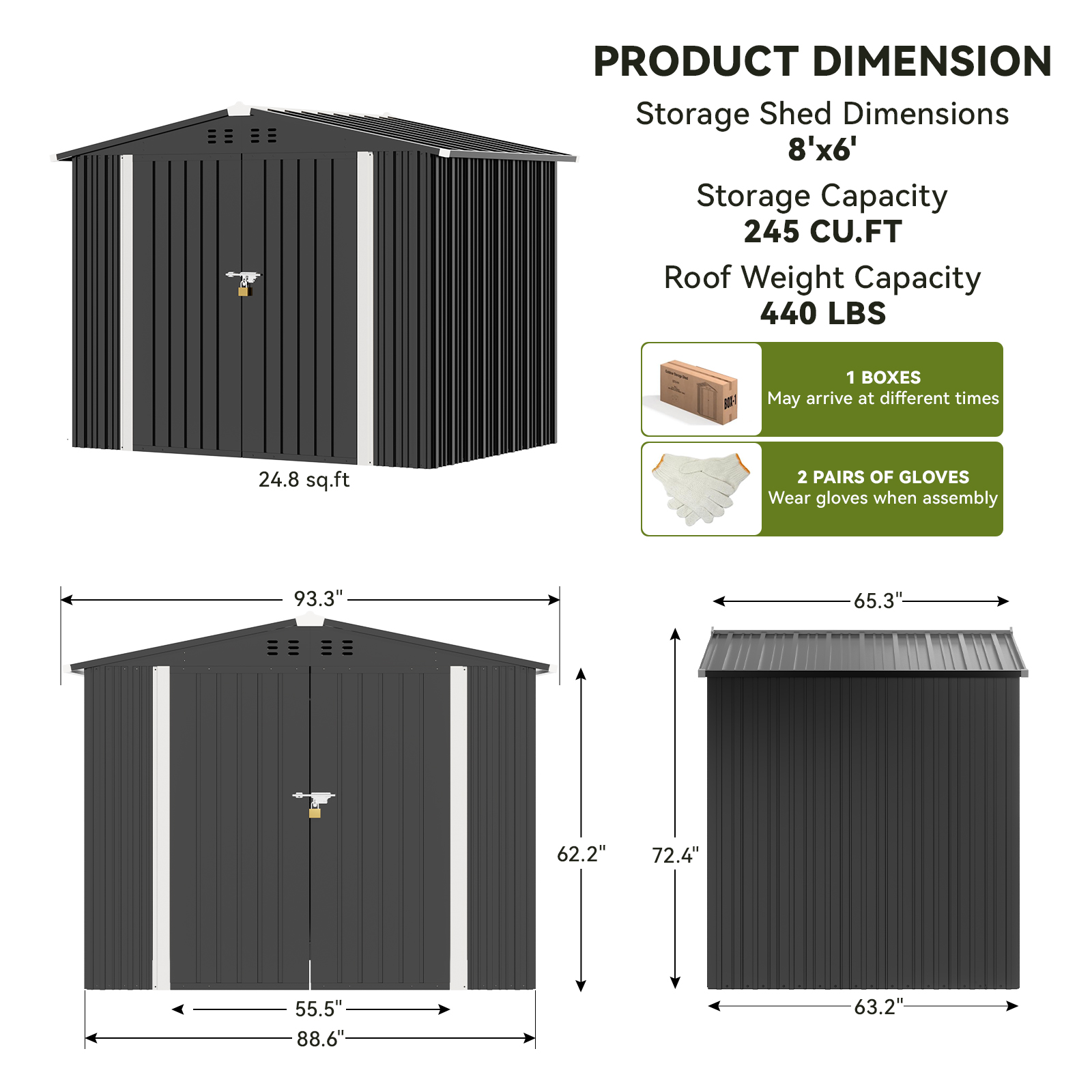
You want your tool shed solution to fit just right in your yard. Use a tape measure to check the spot for your shed. Make sure there is enough space for the shed and to walk around it. Think about how the shed will look from your house. Also, think about how easy it will be to reach. If your yard is small, pick a compact shed size. If your yard is big, you can choose a larger tool shed solution. The COMHOMA TOOL SHED comes in many sizes, so you can find one that matches your space and needs.
Tip: Measure two times before you buy. This helps you avoid surprises when your shed arrives!
Match Size to Storage Needs
Picking the right size is important. You need a tool shed solution that fits all your things. Remember to plan for new items you might get later. Here’s a table with common shed sizes and what they hold:
|
Shed Size (ft) |
Area (sq ft) |
Typical Storage Capacity / Use Cases |
|---|---|---|
|
8 x 12 |
96 |
Lawn mowers, bicycles, gardening tools, small items |
|
10 x 16 |
160 |
Lawn and garden equipment, larger tools, seasonal decorations, lawn furniture |
|
12 x 20 |
240 |
Multiple bikes, large gardening equipment, sports gear, workshop space, even a car |
Pick a shed size that fits what you want to store. If you want a workshop or extra space, pick a bigger shed. The COMHOMA TOOL SHED has flexible sizes and strong build, so it is a smart tool shed solution for growing storage needs. Some people pick custom storage buildings for special yard shapes or uses.
Popular Styles
Shed design is important for how it works and looks. You can pick a style that matches your home or stands out. Here’s a table with popular shed styles and their features:
|
Shed Style |
Functionality |
Aesthetics |
|---|---|---|
|
Traditional Gambrel |
Ample storage space for tools and vehicles |
Rustic and charming barn-like look |
|
Lean-to |
Simple design maximizing space |
Efficient and straightforward |
|
Contemporary |
Merges with environment, modern features |
Bold, minimalist aesthetics |
|
Victorian-flair |
Elegant design with intricate features |
Picturesque and nostalgic |
|
Work Sheds |
Ideal for DIY projects and productivity |
Functional and professional |
|
Storage Sheds |
Provides extra storage capacity |
Enhances outdoor appeal |
You can pick a shed design that fits your taste and needs. If you want a modern look, pick contemporary. If you like classic charm, try gambrel or Victorian-flair. The COMHOMA TOOL SHED mixes smart shed design with strength, so you get a tool shed solution that looks good and lasts.
Want a shed that grows with you? Pick a size that gives you space to expand. Your tool shed solution should help your yard stay neat and stylish.
Step 5: Customization & Features for Backyard Tool Shed Solutions
Organization: Shelves, Pegboards, Tool Racks
You want your tool shed to stay neat and easy to use. Good organization starts with smart features like shelves, pegboards, and tool racks. These help you keep tools in the right place. Shelves let you stack and store more things. Pegboards let you hang tools where you can see them. Overhead racks clear up floor space for big items. You can set up different areas for gardening, fixing things, or hobbies.
Here’s a table that shows what helps with easy organization:
|
Organizational Feature |
Description |
|---|---|
|
Effective Categorization |
Group items by type for quick access and maintenance. |
|
Creative Shelving Solutions |
Use shelves to stack and store tools of all sizes. |
|
Utilizing Overhead Space |
Hang racks and hooks above to keep the floor clear. |
|
Creating Functional Zones |
Set up areas for different tasks to boost efficiency. |
The COMHOMA TOOL SHED comes with shelves and racks already built in. This makes it easier for anyone to keep their shed tidy. You get more room and less mess.
Security and Ventilation
It is important to keep your tools safe. Store expensive tools deep inside the shed. Covered shelves hide valuable tools from view. Mark your tools so you can find them if lost. Make doors stronger and use better locks to stop thieves. Use special screws that can’t be removed from outside. Cover windows with blinds or film so people can’t see in. Motion lights and Wi-Fi cameras help protect your shed. Always lock the shed, even if you leave for a short time. Check locks and doors often.
-
Hide valuable tools.
-
Cover windows so no one can look inside.
-
Add security lights and cameras.
-
Mark your tools with your name.
-
Lock the shed every time you leave.
Good airflow keeps air fresh and stops mold. The COMHOMA TOOL SHED has vents for air, so your tools stay dry and safe.
Lighting and Windows
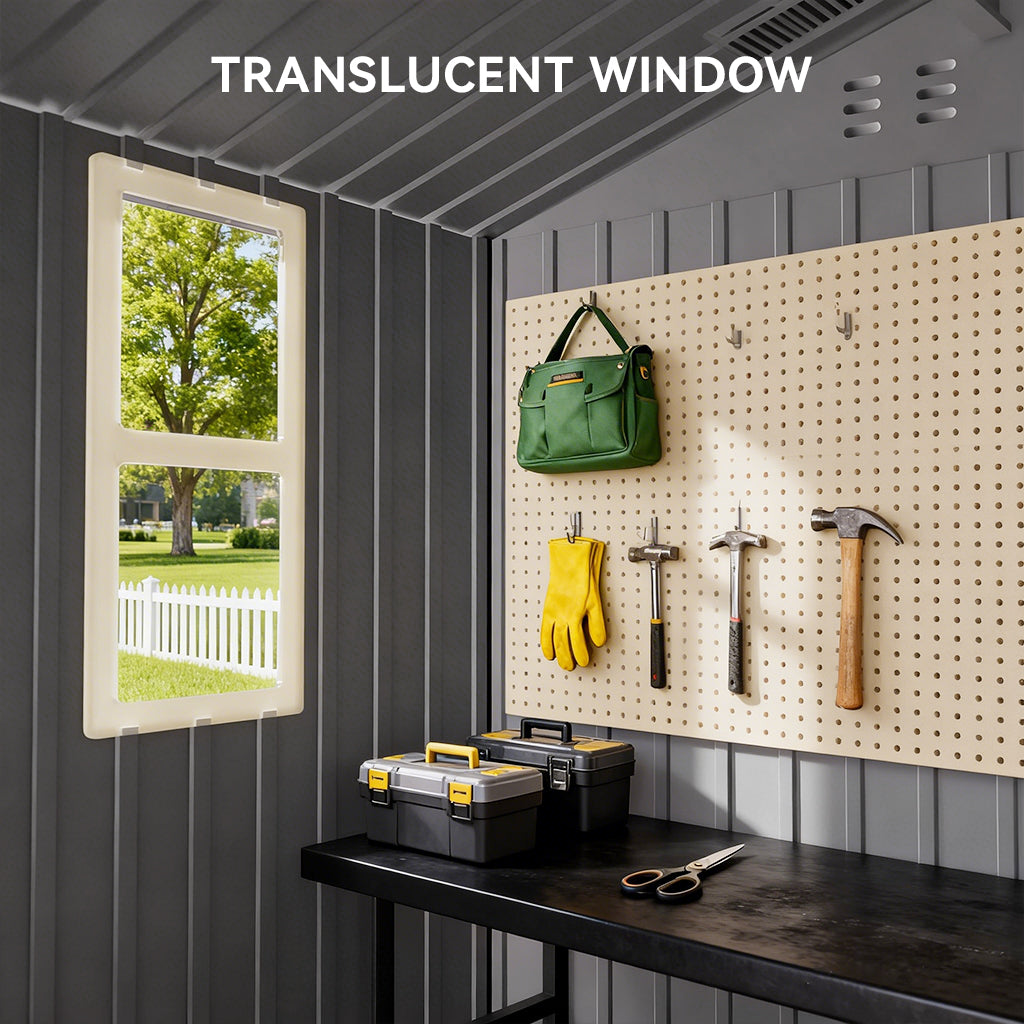
Source: COMHOMA Metal Storage Tool Shed With Window, OT-TL01
Sunlight makes your shed bright and nice to use. Windows, dormers, or skylights let in natural light. This means you do not need as many lights. You save money by using sunlight. It is easier to work or find tools in a bright shed. If you use your shed for hobbies or work, sunlight helps you focus. Windows also make your shed look friendly.
The COMHOMA TOOL SHED has windows that let in sunlight and look good. When you follow this buying guide, you find sheds that fit your needs and make your yard better.
Tip: Pick a shed with windows and vents for comfort and safety. You get a space that works for storage and more.
Step 6: Plan Your Budget and Buying Timeline For a Tool Shed
Pre-Built vs. Custom Sheds
You face a big choice when you shop for a shed. Do you want a pre-built shed or a custom one? Pre-built sheds come ready to use. You save time and often money. You can see tool shed prices up front. Custom sheds let you pick every detail. You get the size, style, and features you want. Custom sheds usually cost more. You wait longer for building and delivery. If you want a fast and reliable option, the COMHOMA TOOL SHED gives you strong value with clear tool shed prices.
Tip: If you have a unique yard or special needs, custom sheds work well. For most people, pre-built sheds offer the best mix of price and convenience.
Cost Factors: Delivery, Installation, Foundation
Tool shed prices depend on more than just the shed itself. You need to think about delivery, installation, and the foundation. These costs can change based on your shed size, your yard, and where you live. Here’s a table to help you see what affects your budget:
|
Factor Influencing Cost |
Description |
|---|---|
|
Size of the Shed |
Larger sheds need more materials and labor. This raises tool shed prices. |
|
Ground Condition |
Uneven or soft ground makes installation harder and more expensive. |
|
Regional Variations |
Prices for labor and materials change in different areas. This can raise or lower tool shed prices. |
Some sheds, like the COMHOMA TOOL SHED, are easy to assemble. You can save money on installation. Always ask about extra costs before you buy.
Best Time to Buy for Savings
You want the best deal on tool shed prices. The best time to buy is from late fall to winter, between November and January. Stores offer big sales during Black Friday and end-of-year clearances. Discounts can reach 20–30%. Retailers want to clear out old stock before new models arrive. If you shop during these months, you can save a lot of money.
Tip: Plan ahead and watch for sales. You can get a high-quality shed like the COMHOMA TOOL SHED for less.
Installation, Maintenance, and Longevity
DIY vs. Professional Installation
You have two choices when it comes to installing your tool shed. You can build it yourself or hire a professional. If you enjoy hands-on projects, DIY installation lets you save money and feel proud of your work. Most sheds, like the COMHOMA TOOL SHED, come with clear instructions and easy-to-assemble parts. You just need basic tools and a friend to help. If you want a faster setup or have a large shed, professional installation makes things easier. Experts handle leveling, anchoring, and assembly. You avoid mistakes and get a sturdy shed right away.
Tip: Always check the ground before you start. Make sure it’s level and dry. This helps your shed last longer.
Maintenance by Material
Every shed needs care to stay strong and look good. The type of material decides what you need to do. Here’s a quick guide:
|
Shed Type |
Common Maintenance Tasks |
|---|---|
|
Metal |
Check for rust and paint chips. Inspect joints and fasteners for corrosion. Make sure vents work to stop condensation. |
|
Wood |
Seal and inspect for rot and insect damage. Apply stain or sealant every few years. Clean dirt and check the foundation for rot. |
|
Vinyl |
Wash with mild soap and water. Inspect for cracks or fading. Keep vents clear for airflow. |
You should clean your shed often. Remove dirt that holds moisture. Look for damage like soft spots or loose boards. Treat wood with sealant, especially before winter. For metal sheds, check for rust after storms. Vinyl sheds need less work, but you should still check for cracks.
Tips for Long-Lasting Sheds
Want your shed to last for years? Follow these simple steps:
-
Inspect your shed twice a year—once in spring and once before winter.
-
Check after big storms or heat waves.
-
Focus on doors, seals, and corners to catch small problems early.
-
Clean the exterior with soap and water to prevent mildew.
-
Lubricate hinges and locks so they work smoothly.
-
Keep the inside dry and ventilated to stop mold.
Keeping up with routine maintenance helps your shed stay strong and safe. The COMHOMA TOOL SHED uses weather-resistant materials and smart design, so you spend less time on upkeep and more time enjoying your backyard.
COMHOMA Storage Tool Shed: Product Advantages & Buying Tips
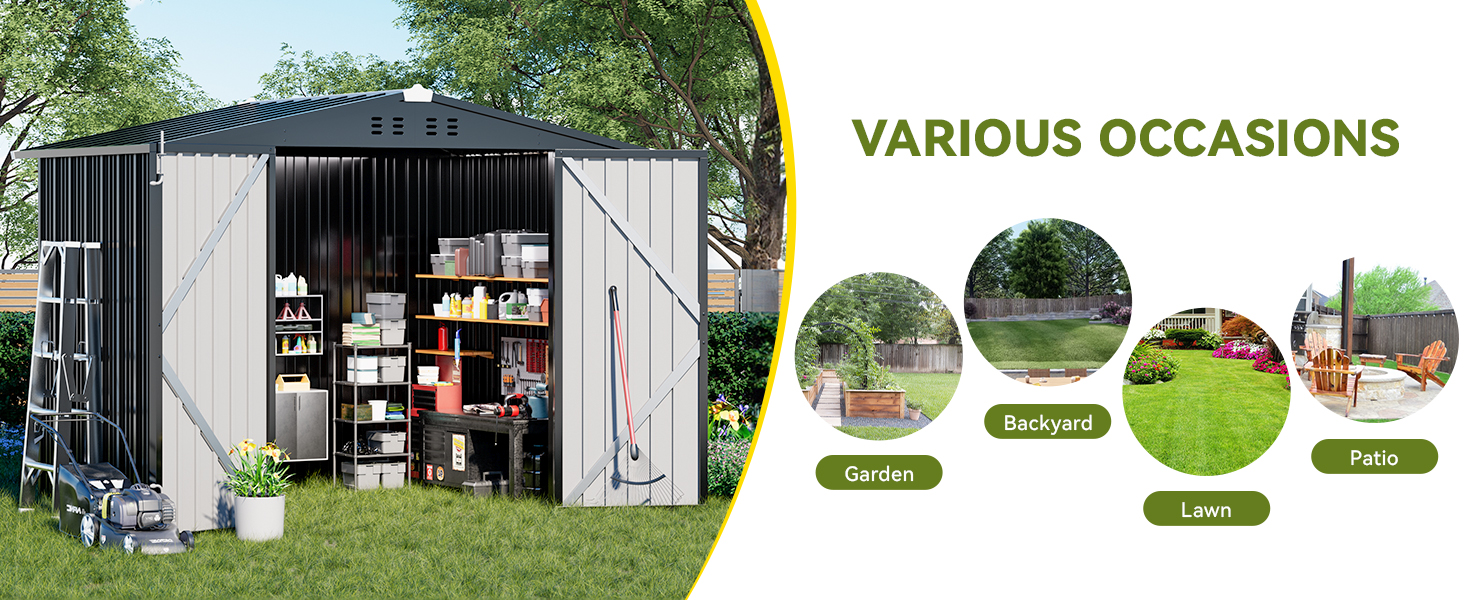
Durable Materials & Weather Resistance
You want a shed that can handle bad weather. The COMHOMA Storage Tool Shed uses galvanized steel. This material lasts longer than wood or plastic. It also needs less care. Here is a comparison:
|
Material |
Properties |
Comparison to Industry Standards |
|---|---|---|
|
Galvanized Steel |
Weather-resistant, durable |
Superior longevity and less maintenance than wood and plastic alternatives. |
|
Wood |
Prone to rot and requires maintenance |
Generally less durable and more maintenance-intensive. |
|
Plastic |
Less durable under extreme conditions |
Often less sturdy compared to galvanized steel. |
Galvanized steel keeps your shed strong in rain, snow, and sun. You do not have to worry about your tools getting damaged.
Spacious Design & Smart Organization
You need a shed with lots of space. The COMHOMA Storage Tool Shed has a roomy inside and smart shelves. You can put garden tools, sports gear, and holiday items inside. Racks and pegboards help you keep things neat. This shed works as a garden shed, utility shed, or workshop. You get a storage space that can change as your needs grow.
Easy Assembly & Low Maintenance
You do not want a shed that is hard to build. The COMHOMA Storage Tool Shed comes with simple instructions and easy parts. You can put it together fast, even if you have never built a shed. Cleaning is easy too. Just wash the outside with water. You spend less time working on the shed and more time enjoying your yard.
Security Features
You want your tools to be safe. The COMHOMA Storage Tool Shed has doors that lock and strong walls. Shelves can hide your valuable things. Vents keep the air fresh and dry. You can add lights or cameras for more safety. These features make your shed safe and comfortable.
What to consider before buying
Think about a few things before you buy a shed. Check your yard and decide what you want to store. Make sure the shed size is right for you. Look at different shed styles and pick one you like. Match the shed material to your weather. If you want a good backyard tool shed, visit the COMHOMA Storage Tool Shed product page to see all the choices. This shed works for tool sheds, backyard storage, and more.
Tip: Measure your space, make a list of what you need to store, and look at different shed styles. This will help you find the best backyard tool shed for your home.
You want a tool shed that fits your needs, space, climate, and budget. Check the price before you buy. Make a list of what you need. Look at the price for different sizes. Think about the price for delivery and installation. Compare the price for pre-built and custom sheds. The price changes with materials and features. The price for maintenance matters too. The COMHOMA TOOL SHED gives you strong value for the price. You get easy setup and smart storage for a good price. Use a checklist to find the best shed at the right price. Ready to upgrade your backyard? Start planning today!
FAQ
What size tool shed should I get for my backyard?
You want a tool shed that fits your space and storage needs. Measure your yard first. Think about what you plan to store now and in the future. Tool shed faqs often suggest picking a slightly bigger size for extra room.
How do I keep my tool shed organized?
Use shelves, hooks, and pegboards for smart storage solutions. Group similar items together. Tool shed faqs recommend labeling bins and using racks for long tools. The COMHOMA TOOL SHED comes with built-in organization features to help you stay tidy.
Do I need a permit to install a tool shed?
Many towns require permits for a storage shed, especially if it is large. Always check local rules before you buy. Tool shed faqs say you should ask about setbacks and property lines. This helps you avoid problems later.
What makes the COMHOMA TOOL SHED a good choice?
The COMHOMA TOOL SHED uses galvanized steel for strength and weather resistance. It is easy to assemble and needs little maintenance. Tool shed faqs highlight its smart design, security features, and flexible storage solutions for many tool shed options.
How do I protect my tool shed from weather damage?
Place your tool shed on level ground and keep it away from low spots. Use weather-resistant materials. Tool shed faqs suggest checking the roof and vents often. The COMHOMA TOOL SHED stands up well to rain, sun, and snow.


Share:
How to Choose the Right Big and Tall Office Chair for Maximum Comfort
Chairs for Better Posture: A Comprehensive Guide