
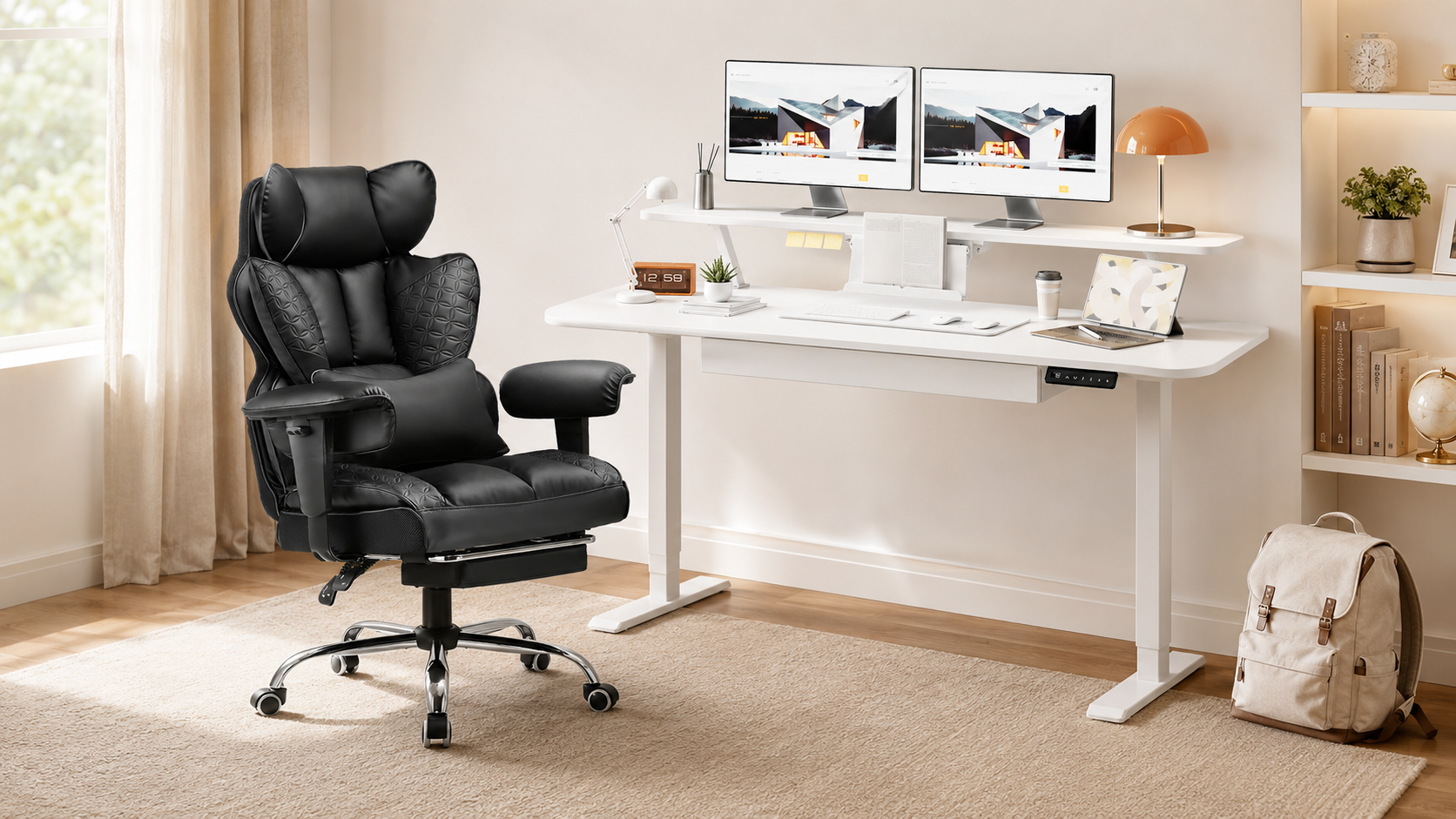
 Souce: COMHOMA CH910
Choosing the right big and tall office chair can change how you feel at work. You need a chair that matches your body, holds your weight, and gives you real comfort. When you pick a big and tall office chair with the right seat size, strong build, and good ergonomic features, you help your body stay healthy. You avoid slouching, keep your back straight, and help your blood flow. This means you stay focused and get more done. The COMHOMA big and tall office chair CH510 stands out for its sturdy design and support. Remember to think about your unique needs, skip common mistakes, and look for a big and tall office chair that fits you best.
Key Takeaways
-
Always check how much weight the chair can hold. Pick a chair that holds more than your weight. This gives you better support and keeps you safe.
-
Find a chair with a wide seat and adjustable depth. This makes you comfortable and stops your thighs from hurting.
-
Get a chair with adjustable lumbar support. This helps you sit up straight and keeps your back from hurting.
-
Choose chairs made from strong materials. Good construction makes the chair last longer and stay comfy.
-
Do not make mistakes like ignoring size or warranty. Always read the details to make sure the chair is right for you.
Weight Capacity for Big and Tall Chairs
High Weight Ratings
When you shop for a big and tall office chair, you need to check the weight capacity first. Most chairs have a label or tag that shows the maximum weight they can hold. If you pick a chair with a low weight rating, you risk discomfort and poor support. You want a chair that matches your body and keeps you safe.
Tip: Always look for a chair with a weight capacity that is higher than your own weight. This gives you extra safety and helps the chair last longer.
If you use a chair that cannot handle your weight, you may face problems like:
-
The chair becomes unstable and wobbly.
-
Parts may break, which can cause injury.
Big and tall chairs with high weight ratings help you avoid these issues. You get better support and comfort every day.
Durable Construction
You want your big and tall chair to last for years. Strong materials make a big difference. Let’s look at what makes a chair durable:
|
Material Type |
Description |
Purpose |
|---|---|---|
|
Steel or Metal Frames |
Provides a sturdy foundation enhancing durability. |
Strength and support for heavy loads. |
|
High Density Foam |
Used in seat and back cushions for comfort and resilience. |
Ensures comfort under heavier loads. |
|
Durable Fabrics |
Upholstery reinforced with leather or vinyl to withstand wear and tear. |
Increases longevity of the chair. |
|
Strong Casters |
Enables smooth movement and stability. |
Enhances mobility and safety. |
|
Robust Adjustable Parts |
Components like armrests and lumbar support made with durable materials. |
Allows for frequent adjustments without wear. |
When you choose a big and tall chair, check the warranty. A good warranty shows the company trusts their product. It also protects you if something breaks. Chairs with strong construction and a solid warranty give you peace of mind and help you stay comfortable for a long time.
Seat Size and Comfort
Wide Seat Dimensions
When you look for a big and tall office chair, the first thing you should check is the seat size. Standard office chairs usually have a seat width of 18 to 20 inches. That might feel tight if you have a broader build or need more space. Big and tall chairs start at 20.5 inches and can go up to 24 inches wide. This extra room lets you sit without feeling squeezed. You get better comfort and can move around more easily.
Here’s a quick table to help you see the difference:
|
User Type |
Ideal Seat Width |
Ideal Seat Depth |
|---|---|---|
|
Tall Users (Over 6’0”) |
20–24 inches |
19–22 inches |
|
Broader or Plus-Size Users |
22–26 inches |
22-24 inches |
A wider seat means you can sit for longer periods without feeling cramped. You also avoid pressure points on your hips and thighs. If you want true comfort, always check the seat width before you buy.
Adjustable Seat Depth
Seat depth matters just as much as seat width. If the seat is too short, your thighs won’t get enough support. If it’s too long, the edge might press against the back of your knees. That can cut off blood flow and make your legs feel numb. Adjustable seat depth lets you slide the seat forward or backward. This way, you can find the perfect spot for your legs.
-
If you’re tall, you need more seat depth to support your thighs.
-
If you’re shorter, you want less depth so your feet can touch the floor and your knees bend at a right angle.
When you adjust the seat depth, you help your body stay in a healthy position. You keep your feet flat on the floor and your knees at about 90 degrees. This helps your blood flow and keeps you comfortable all day. Many big and tall chairs offer this feature, so you can make the chair fit you instead of the other way around.
Cushioning and Edge Support
You spend hours in your office chair, so the cushioning makes a big difference. Big and tall chairs often use special materials to give you the best support. You might see:
-
Molded foam that holds its shape and gives steady support.
-
Memory foam that molds to your body and feels soft but supportive.
-
Mesh seats that let air flow and keep you cool.
Some chairs even use a pocketed coil system under the foam. This spreads your weight out and helps the chair last longer. When you sit down, you want the cushion to feel firm but not hard. It should bounce back when you stand up.
The edge of the seat also matters. Look for a waterfall seat edge. This means the front of the seat slopes down. It takes pressure off the back of your thighs and helps your blood flow. You avoid numbness and stay comfortable, even if you sit for a long time.
Tip: Always check the seat height, too. A good big and tall chair lets you adjust the seat height so your feet rest flat on the floor. This keeps your legs from dangling and helps your circulation.
Choosing the right seat size, depth, and cushion means you get real comfort. You support your body, keep your blood moving, and avoid aches and pains. A big and tall office chair with these features can make your workday much better.
Ergonomic Desk Chair Features
Lumbar Support
When you sit for hours, your lower back needs extra care. That’s where lumbar support comes in. An ergonomic desk chair with adjustable lumbar support helps you keep your spine in a healthy position. You can move the support up or down until it fits the curve of your back. This feature is a must for big and tall users. It lets you avoid slouching and keeps your posture strong. Many ergonomic desk chairs, like the COMHOMA CH510, offer dual dynamic lumbar support. This means you get a custom fit that matches your body. You feel less strain and more comfort. If you want to prevent lower back pain, always look for a chair with adjustable lumbar support. You’ll notice the difference after a long day at your desk.
Backrest Height
A high backrest gives your whole spine the support it needs. You want a chair that covers your upper back and neck, not just your lower back. This helps you sit up straight and relax your shoulders. Here’s a quick look at the most important ergonomic desk chair features for big and tall users:
|
Ergonomic Feature |
Description |
|---|---|
|
Higher Backrests |
Support your entire spine, including your neck. |
|
Deeper Seat Pans |
Give your thighs more space and keep blood flowing. |
|
Extended Height Adjustments |
Let you set the chair height just right for your body. |
|
Adjustable Armrests |
Help your arms and shoulders stay relaxed. |
|
Lumbar Support |
Keep your lower back in a healthy position. |
A high backrest works best when paired with adjustable lumbar support. You get comfort from your neck down to your hips. This is why many ergonomic office chair models focus on backrest height and lumbar support together.
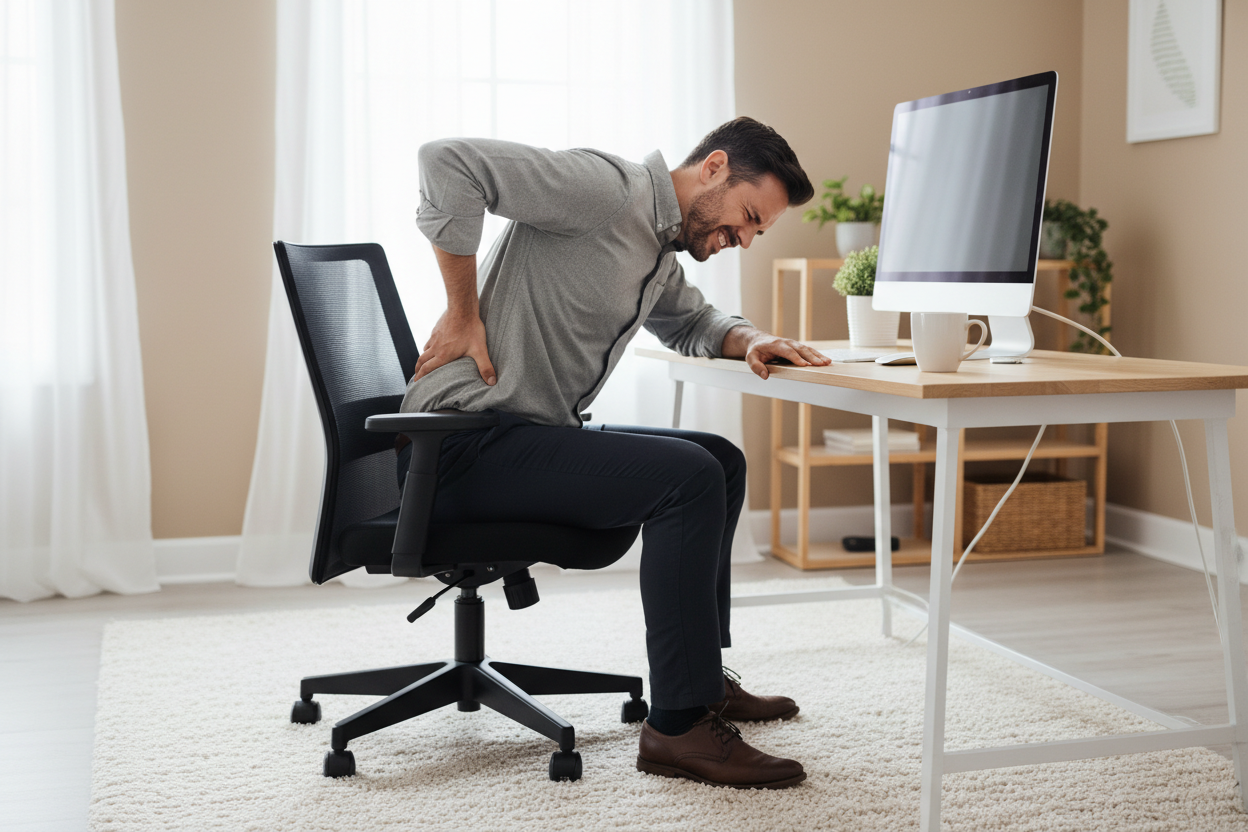
Preventing Back Pain
You want to avoid back pain, not just fix it. An ergonomic desk chair with adjustable lumbar support makes a big difference. You can set the support to match your lower back. This keeps your spine in line and takes pressure off your muscles. Chairs with a wide seat and high backrest, like the Sihoo Doro S300, give you full support. You feel less tired and more focused. Adjustable lumbar support also helps you change positions during the day. You stay comfortable and keep your back healthy. If you use an ergonomic office chair with these features, you lower your risk of back pain. Your body will thank you every day.
Tip: Don’t forget to adjust your chair every so often. Even the best lumbar support works better when you move and stretch.
Read more: 10 Best Desk Chairs for Back Pain and Spinal Support Tips
Adjustability for Personalized Fit
When you want real comfort in your office chair, adjustability matters most. You need a chair that lets you change settings to fit your body. This helps you stay comfortable and healthy all day.
Armrest Adjustments
You use your arms a lot at your desk. If your armrests sit too high or too low, your shoulders and wrists can hurt. Look for 4d adjustable armrests. These let you move the armrests up, down, forward, backward, and even side to side. You can set them just right for your arms. This keeps your shoulders relaxed and helps you avoid pain. With the right adjustability, you can type, write, or use your mouse without strain.
Seat Height Controls
Getting the seat height right is key for comfort. You want your feet flat on the floor and your knees at a 90-degree angle. This helps your blood flow and keeps your legs from getting tired. Many big and tall chairs offer a wide seat height adjustment range. This is great if you are taller than most people. You can raise the seat height so your legs fit under the desk. Here’s a quick look at why seat height and adjustability matter:
|
Feature |
Importance for Big and Tall Users |
|---|---|
|
Adjustable Seat Height |
Ensures legs are at a 90-degree angle, promoting comfort. |
|
Higher Seat Adjustment Range |
Necessary for users above 6 feet to maintain proper posture. |
|
Feet Resting Flat |
Supports healthy circulation and reduces strain. |
You should check the seat height controls before you buy. Easy seat height adjustment means you can change your position during the day. This keeps you feeling fresh and focused. Many ergonomic office chair models make this simple.
Headrest Options
A headrest can make a big difference, especially if you spend hours at your desk. Here’s why you should look for a chair with a headrest:
-
Pain relief: A headrest supports your neck and shoulders, so you feel less pain.
-
Better posture: It helps you sit up straight and avoid slouching.
-
Rest while reclining: You can lean back and rest your head during breaks, which feels great.
Some chairs even let you adjust the headrest for height and angle. This gives you more adjustability and comfort. When you combine a headrest with tilt and recline features, you get a chair that supports you in every position.
If you want a chair that fits you, focus on adjustability. Change the seat height, armrests, and headrest until everything feels just right. You will notice the difference every day.
Material and Breathability
Fabric, Mesh, and Leather
When you pick a big and tall office chair, the material matters a lot. Mesh stands out for breathability. It lets air flow through the backrest, so you stay cool even on long days. The COMHOMA CH405 uses high-tension mesh that supports more weight without losing shape. Mesh also helps with posture because it flexes and fits your back. If you want a soft feel, fabric chairs use foam cushions. These give you a cozy seat, but fabric can trap heat and allergens. Leather looks sharp and feels smooth, but it may get warm and needs more care.

Here’s a quick look at how each material affects your experience:
|
Material |
Comfort Impact |
Maintenance Impact |
|---|---|---|
|
Fabric |
Soft and cushioned; good in cold rooms; less breathable in heat. |
Harder to clean; stains easily. |
|
Mesh |
Cool and airy; fits your body; supports posture. |
Easy to clean; low maintenance. |
|
Leather |
Smooth and stylish; can get hot; firm support. |
Needs special cleaners; avoid sun. |
A hybrid chair with mesh and foam gives you both breathability and comfort. Heavy-duty fabrics and steel frames add strength, so your chair lasts longer.
Cleaning and Maintenance
You want your chair to look good and last. Clean up spills right away to stop stains. Keep paper towels and a mild cleaner close by. Try not to eat at your desk to avoid crumbs and sticky spots. Use sprays or creams to protect the fabric or leather. Keep your chair out of direct sunlight, so it does not fade or stretch.
Here are some easy tips:
-
Use the right wheels to protect your floor and chair.
-
Do not go over the weight limit.
-
Put felt pads under the legs if needed.
-
Avoid bumps and drops.
-
Tighten screws and bolts often.
-
Replace broken parts fast.
-
Ask a pro for big repairs.
These steps help your chair stay strong and keep its comfort.
All-Day Comfort
Material choice makes a big difference in how you feel all day. Mesh keeps you cool and dry. Foam cushions give you support where you need it most. If you are bigger or taller, you need extra support and padding. Chairs with strong frames and quality materials hold up better and give you steady comfort. When you sit for hours, you want a chair that feels good from morning to night. Pick a chair with the right mix of breathability, support, and durability, and you will notice the comfort every time you sit down.
Base and Mobility

Souce: COMHOMA CH510
Wheel Types
You probably don’t think much about the wheels under your chair, but they make a big difference. If you have a big and tall office chair, you need strong wheels that roll smoothly and don’t wobble. There are two main types: hard wheels and soft wheels. Hard wheels work best on carpet. Soft wheels glide over hard floors like wood or tile. If you pick the wrong type, your chair might get stuck or scratch your floor.
Here’s a quick table to help you choose:
|
Wheel Type |
Best For |
Benefits |
|---|---|---|
|
Hard Wheels |
Carpet |
Easy rolling, no snag |
|
Soft Wheels |
Wood, Tile, Vinyl |
Protects floors, smooth |
A sturdy wheelbase keeps your chair stable. You can move around your workspace without tipping or feeling unsafe. Chairs with a well-designed wheelbase let you roll from your desk to your printer or bookshelf with ease. You won’t have to worry about the chair tipping over, even if you shift your weight.
Tip: If your chair feels shaky or the wheels stick, check the wheelbase. Upgrading to heavy-duty wheels can make your chair safer and easier to use.
Swivel and Stability
Swivel features let you turn and reach things without standing up. You can twist to grab a file or chat with a coworker. This saves time and keeps you comfortable. The base design matters here. A strong base supports your weight and keeps the chair balanced. You won’t tip over when you lean or swivel.
A high-quality base spreads your weight evenly. It helps prevent accidents and gives you confidence to move freely. Most big and tall chairs have bases that support up to 500 pounds. You get safety and stability every time you sit down.
-
A sturdy wheelbase is crucial for stability and ease of movement.
-
Smooth movement across different floors keeps you productive.
-
Effective weight distribution prevents tipping and helps you maneuver.
If you want a chair that feels solid and lets you move easily, pay attention to the base and wheel design. You’ll notice the difference in comfort and safety right away.
Avoiding Mistakes and Finding a Good Office Chair
Common Pitfalls
Shopping for a good office chair can feel tricky. Many people make the same mistakes over and over. You can avoid these problems if you know what to watch out for:
-
Not checking the chair’s dimensions. Just because a chair says “big and tall” does not mean it fits your height or body shape.
-
Overlooking seat depth. A deep seat is just as important as a tall backrest. If the seat is too short, your legs will not get enough support.
-
Focusing only on looks. Style matters, but comfort should always come first. A good office chair needs to support you, not just look nice.
-
Ignoring warranty and durability. A chair is an investment. Always choose brands that stand behind their product.
-
Picking the cheapest option. Saving money feels good, but a low-quality chair can hurt your back and waste your time.
-
Forgetting about comfort for long hours. Looks may catch your eye, but you need a chair that feels good all day.
Tip: Always read the specs before you buy. Make sure the chair matches your needs, not just your style.
Expert Tips
You want to find a good office chair that fits your space and your body. Here are some expert tips to help you make the right choice:
-
Measure your office space before you buy. Make sure the chair will fit and move easily.
-
Choose ergonomic features over style. The best types of ergonomic chairs help you stay comfortable and productive.
-
Look for adjustable backrests, armrests, and headrests. These features let you customize your chair for the best fit.
-
Pick breathable materials. Mesh or fabric keeps you cool during long workdays.
-
Make sure the chair has rolling legs. You can move around your workspace without getting up.
-
Check the warranty. A good office chair should come with protection against defects.
-
Select a chair that matches your body size. The recommended best office chairs always offer a range of sizes for big and tall users.
A good office chair supports your body, fits your space, and lasts for years. If you follow these tips, you will find a chair that keeps you comfortable and healthy every day.
You want a great big and tall office chair for your desk. First, check the seat height, lumbar support, and adjustable armrests. Make sure the chair fits your body and how you work each day. Look for chairs made with strong materials. Try out different chairs if you get the chance. Expert reviews can help you see what features are best. The right big and tall office chair will keep you comfy and help you get more done.
Tip: Change your chair settings often so you stay comfy and keep good posture.
FAQ
What makes a big and tall office chair different?
You get a wider seat, higher weight capacity, and stronger materials. These chairs support your body and help you stay comfortable all day. You avoid feeling cramped or unsafe.
How do I know if a chair fits my height?
Check the seat height range and backrest height. Sit down and see if your feet touch the floor and your back gets full support. You want your knees at a 90-degree angle.
Can I use a big and tall chair if I am not tall?
Yes! You can enjoy extra space and support. Many people like the wider seat and stronger build. You feel more comfortable, even if you are not tall.
How often should I adjust my chair?
You should change your settings every few hours. Move the seat height, armrests, and backrest. This keeps your posture healthy and helps you avoid aches.
What is the best material for breathability?
Mesh works best for airflow. You stay cool and dry, even during long workdays. Fabric feels soft, but mesh keeps you comfortable in warm rooms.
Browse COMHOMA’s executive office chair collection now!

Share:
Step-by-Step Guide to Building a Raised Garden Bed
How to Choose the Right Tool Shed for Your Needs